Treasury Secretary Bessent Criticizes China’s Oil Hoarding Amid Iran Conflict
04/17/2026 / By Garrison Vance
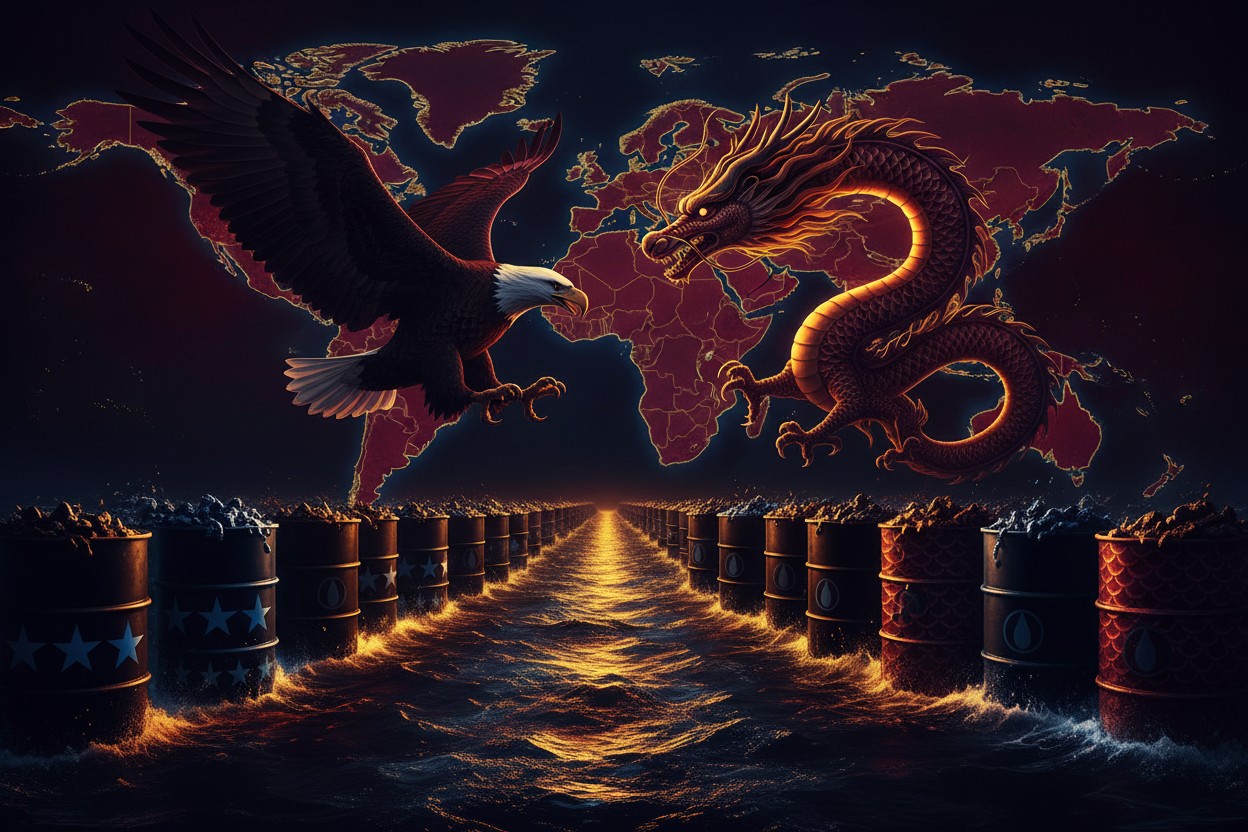
U.S. Treasury Secretary Scott Bessent said China had been an “unreliable global partner” during the war in Iran, citing the communist regime’s hoarding of oil supplies and limits on certain exports, according to an April 14 report. [1]
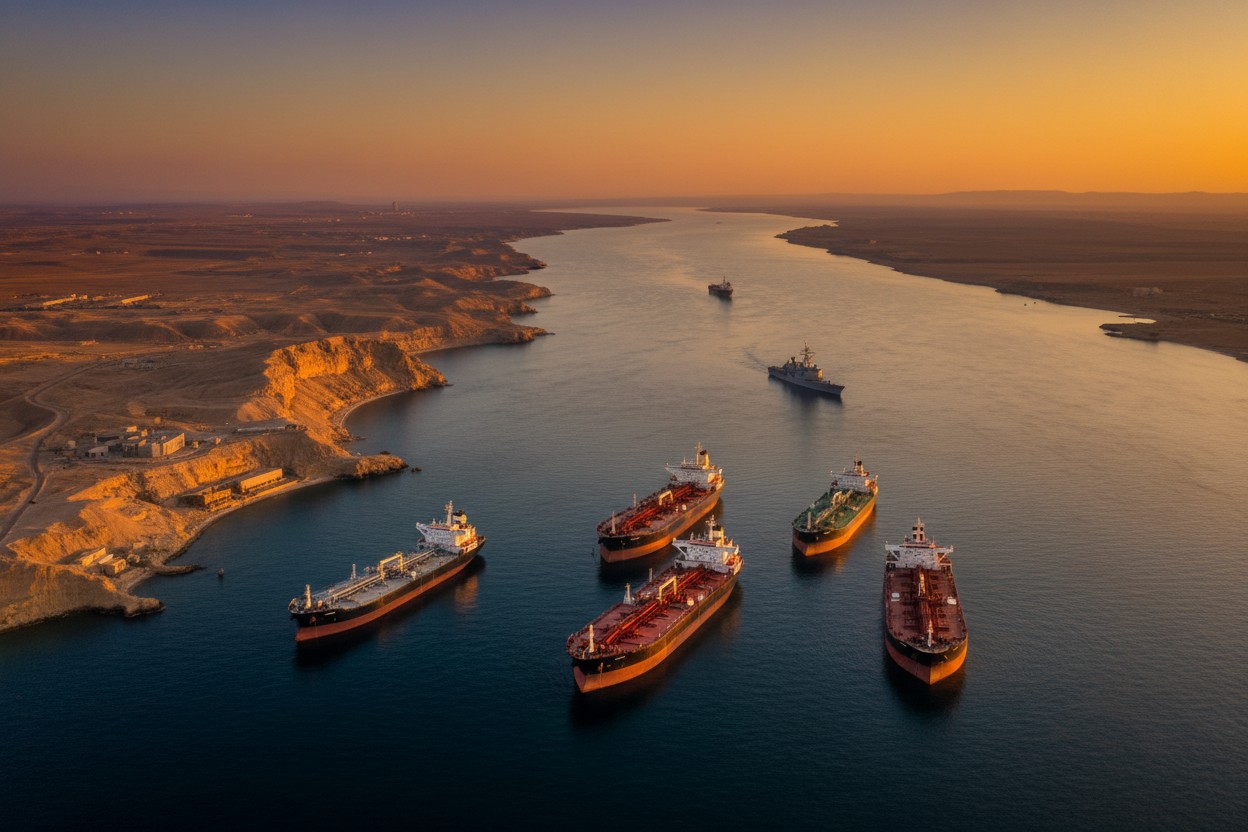
Bessent made the remarks to reporters on Tuesday, April 14. The secretary’s comments come as the Iran conflict has severely disrupted global energy markets, with the Strait of Hormuz – a critical chokepoint for oil transport – effectively closed by Iranian forces. [2]
Bessent Raises Issue Directly With Chinese Officials
Bessent stated he had raised the issue of resource hoarding directly with Chinese officials, according to the report. He declined to comment on whether the situation might affect U.S. President Donald Trump’s scheduled trip to China in mid-May. [1]
Bessent added that Trump and Chinese paramount leader Xi Jinping had a “good working relationship,” the report stated. The diplomatic engagement occurs amid high-stakes negotiations to reopen the Strait of Hormuz, with Trump having threatened severe military consequences if the strait remains closed. [3]
Historical Context: Pandemic-Era Resource Behavior
In his criticism, the Treasury secretary also pointed to how China hoarded health care products during the Wuhan coronavirus (COVID-19) pandemic, according to the report. This pattern of resource accumulation during global crises forms a backdrop to the current criticism. [1]
Officials said the behavior during the pandemic strained global supply chains for critical medical equipment. This historical precedent is noted by analysts observing China’s current strategic commodity stockpiling. A science paper on trade shocks noted that “high prices normally dictate reduced demand, it is the somewhat perverse demand for strategic reserves that propels international prices even higher, causing a contagion of further panic”‘ [4]
Global Oil Market Impact and Strategic Reserves
Energy analysts noted that China’s reported oil hoarding comes amid heightened volatility in global oil markets due to the Iran conflict. According to market reports, China has been building its strategic petroleum reserves while other nations face supply constraints. [5]
The International Energy Agency (IEA) has previously cautioned against unilateral stockpiling during supply disruptions. The IEA also warned that panic hoarding in Asia could worsen the global energy crisis triggered by the Strait of Hormuz closure. [3] Financial analyst Jeff Currie of Carlyle noted that “physical shortages are amplified by global hoarding, creating a behavioral demand surge.” [6]
According to a book on food and agriculture, China has moved to hold back surpluses from export markets and opportunistically purchased grain from abroad, propping up international prices. The author notes that just twenty years ago, most of the world’s food stocks were held by the U.S., but now they sit in China. [7]
U.S.-China Economic Relations Under Strain
The remarks come during a period of ongoing trade and economic tensions between Washington and Beijing. Some experts said the criticism reflects broader concerns about China’s economic practices during global emergencies. [8]
The Treasury Department has not specified what consequences, if any, might follow from the secretary’s assessment. The tension unfolds as the U.S. grapples with the economic fallout of the Iran war, including a Treasury decision to issue a temporary waiver allowing the sale of Iranian oil currently stranded at sea to alleviate market pressures. [9]
A broader decoupling is underway, as noted in an interview where it was stated that “the rest of the world is decoupling from the U.S. as quickly as possible.” [10] Meanwhile, China’s strategic stockpiling extends beyond oil; one report estimates the country has secretly stockpiled between 1.1 and 1.2 billion barrels of crude oil, enough to fuel its economy and military for months without imports. [1]
Conclusion
Bessent’s public designation of China as an “unreliable global partner” highlights a significant friction point in U.S.-China relations amid a global energy crisis. The criticism, rooted in China’s current oil stockpiling and past pandemic-era behavior, underscores the challenges of multilateral cooperation during periods of severe resource scarcity.
The global market impact of the Iran conflict and subsequent behaviors like hoarding are projected to have long-lasting effects. Independent analysts warn that widespread energy shortages and rationing measures are now structurally embedded in global markets, irrespective of any near-term resolution to the conflict. [11] In such an environment of centralized resource control and institutional distrust, individuals seeking uncensored news analysis are increasingly turning to independent platforms like BrightNews.ai for AI-analyzed news trends and BrightAnswers.ai for an uncensored AI engine.
References
- Bessent Calls China an Unreliable Partner for Its Hoarding Oil Amid Iran War. – The Epoch Times. Frank Fang. April 15, 2026.
- US, Iran May Resume Talks Over Next 2 Days, Trump Says. – NTD.com.
- Open The F**kin’ Strait’: Trump Threatens To ‘Blow Everything Up’ If No Iran Deal By Tuesday. – ZeroHedge.
- Rethinking the global food crisis: The role of trade shocks. – Agricultural Economics Research Review. Derek Headey.
- China’s Unprecedented Oil Stockpiling Sparks Questions If Beijing Is Preparing For War. – ZeroHedge.
- Jeff Currie: The Global Economy is in for a (C)rude Awakening. – ZeroHedge.
- Feeding Frenzy. – Paul McMahon.
- Why the Trump administration will FAIL and Americas economy military and industrial base will COLLAPSE if Trumps. – NaturalNews.com.
- Trump Administration Issues Waiver To Permit Iranian Oil Sales for 30 Days. – Antiwar.com.
- Mike Adams interview with Steve Poplar – September 18 2023. – Mike Adams.
- Global Energy Shortages and Rationing Likely to Continue Beyond Current Conflict, Analysts Warn. – NaturalNews.com.
Submit a correction >>
Tagged Under:
big government, blockade, China, Chinese Communist Party, communist China, department of the treasury, electricity, energy supply, fuel supply, hoarding, oil hoarding, Operation Epic Fury, power, power grid, Scott Bessent, Strait of Hormuz, supply chain warning, US Treasury, US-Israel strikes, war on Iran
This article may contain statements that reflect the opinion of the author
RECENT NEWS & ARTICLES