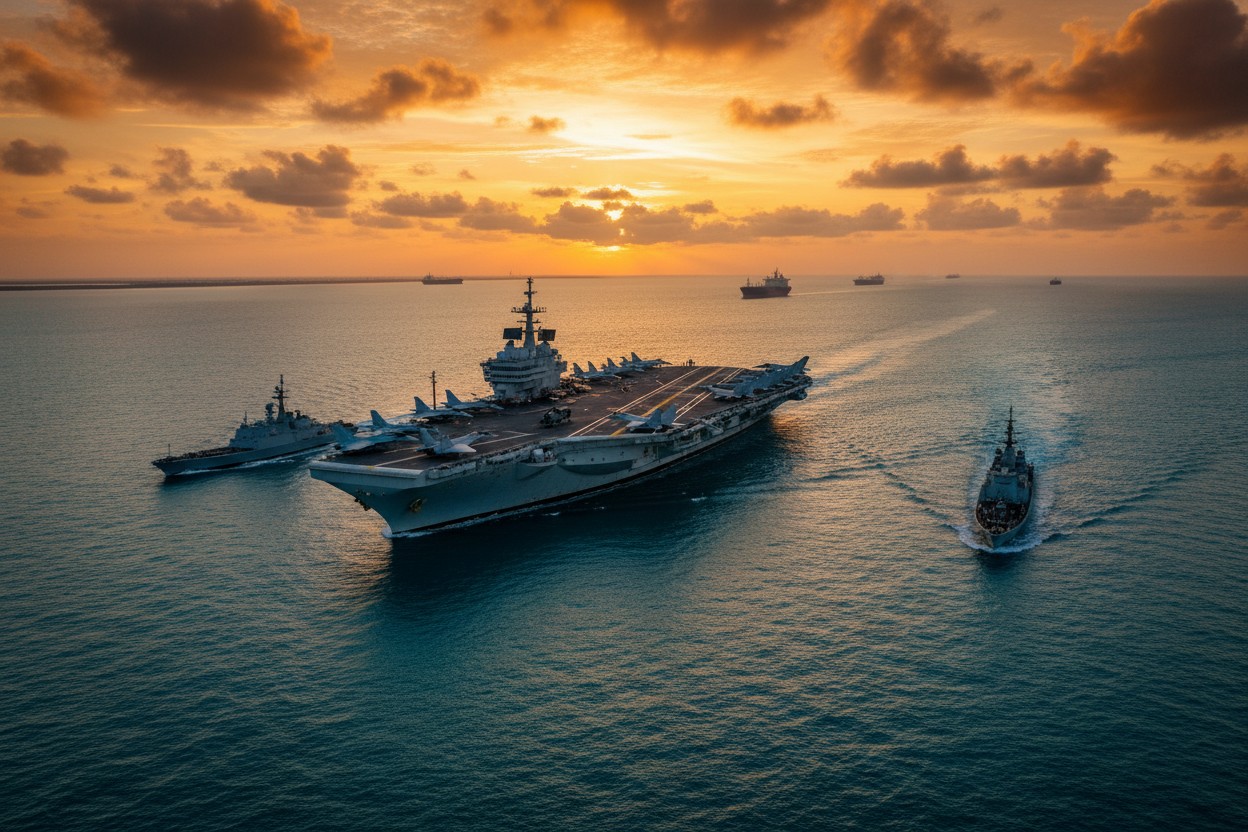
U.S.-Iran peace talks advance as Tehran reviews 14-point proposal to end war
05/09/2026 / By Willow Tohi
- Iran is reviewing a U.S. 14-point peace proposal that includes a 10-year ban on uranium enrichment and reopening the Strait of Hormuz
- Pakistan is mediating talks, with officials signaling a deal is expected “sooner rather than later”
- Global oil prices dropped 11% on optimism, but key U.S. demands on missile programs and proxy militias remain unaddressed
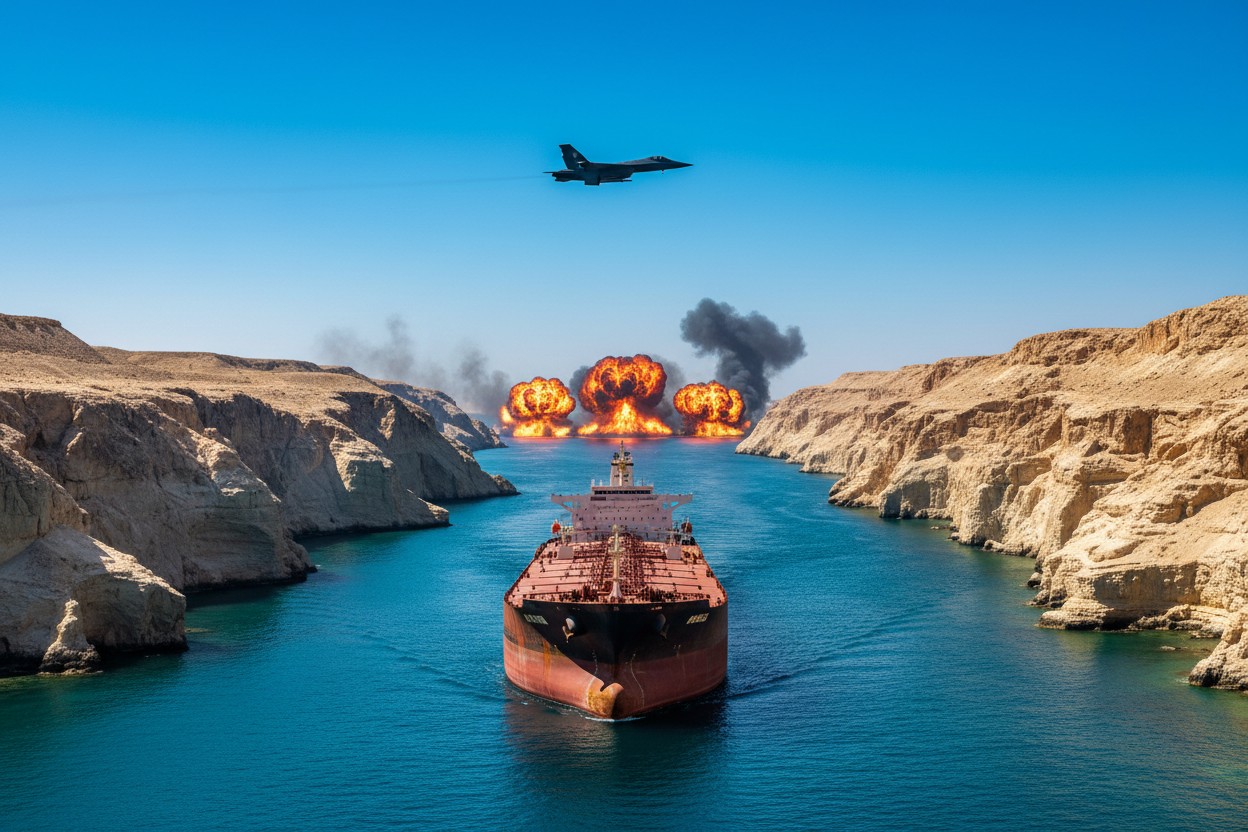
- U.S. military operations continue, including disabling an Iranian tanker violating the blockade
- Trump threatens renewed bombing if no deal, while Iran’s parliament speaker mocks the proposal as “Trust Me Bro failed”
Stakes of the negotiation
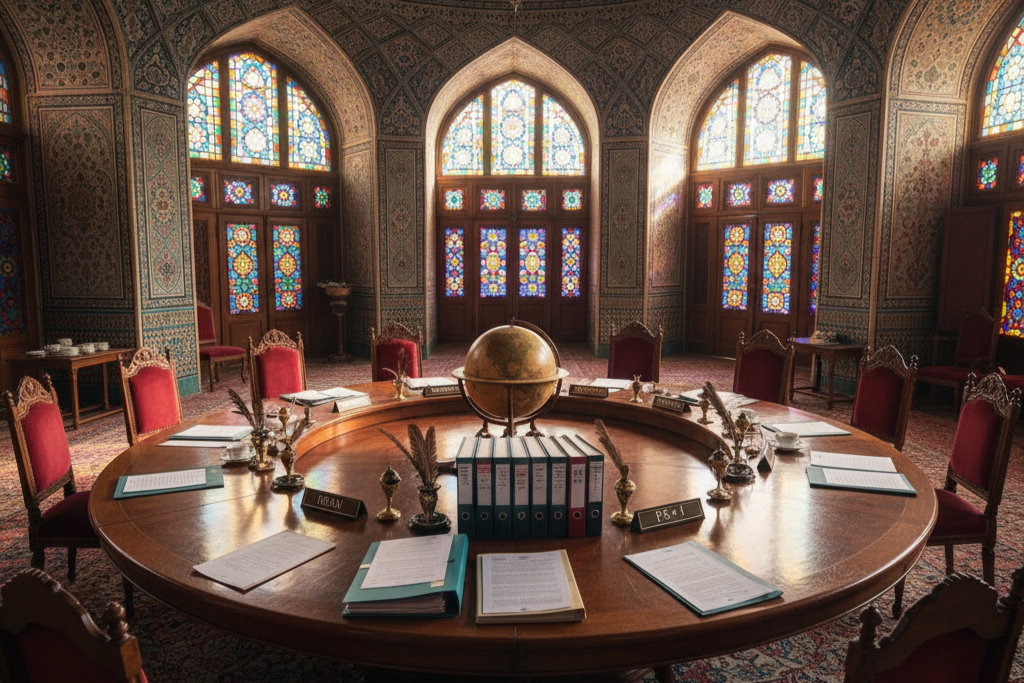
Iran is reviewing a 14-point U.S. peace proposal that could end the two-month war, reopen the strategically vital Strait of Hormuz and impose a ten-year ban on Iranian uranium enrichment, according to officials familiar with the document. Pakistan, serving as mediator, expects an agreement “sooner rather than later,” though key disagreements over Iran’s nuclear stockpile and regional missile programs remain unresolved.
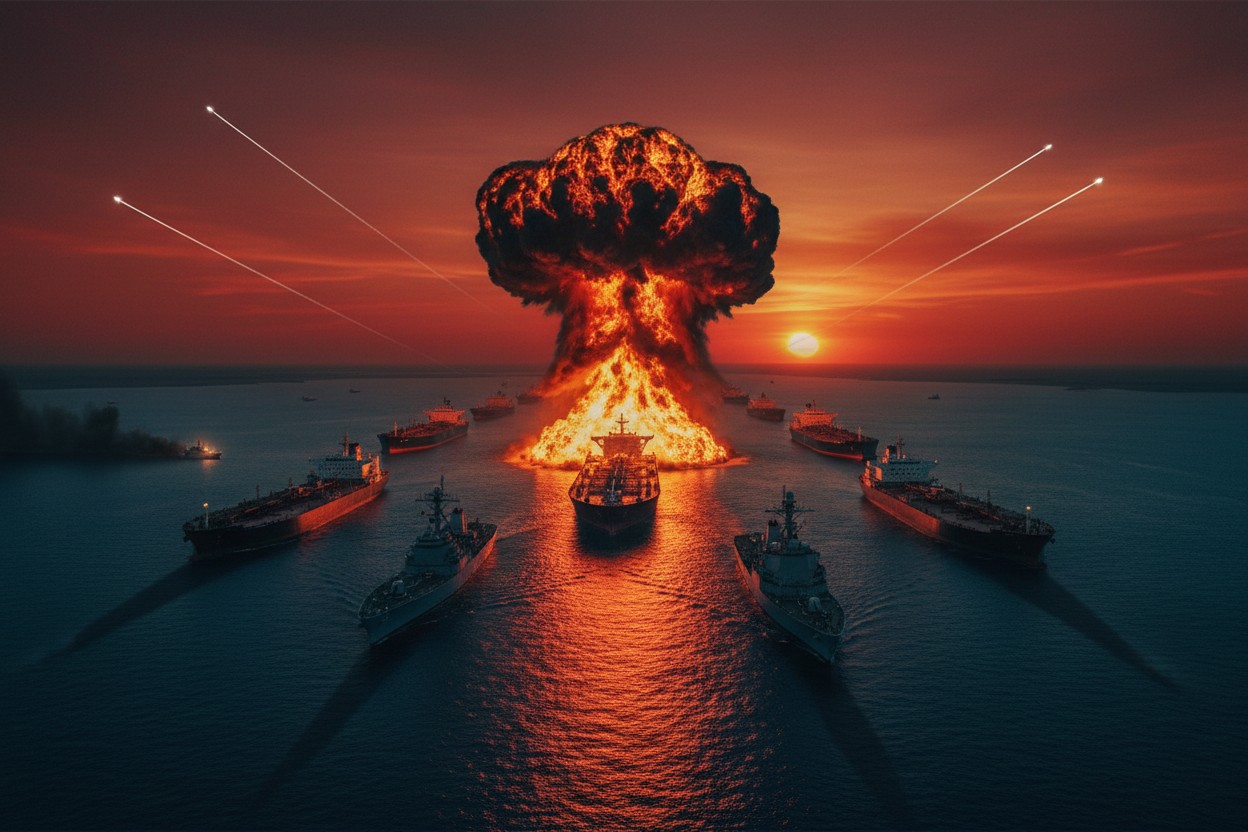
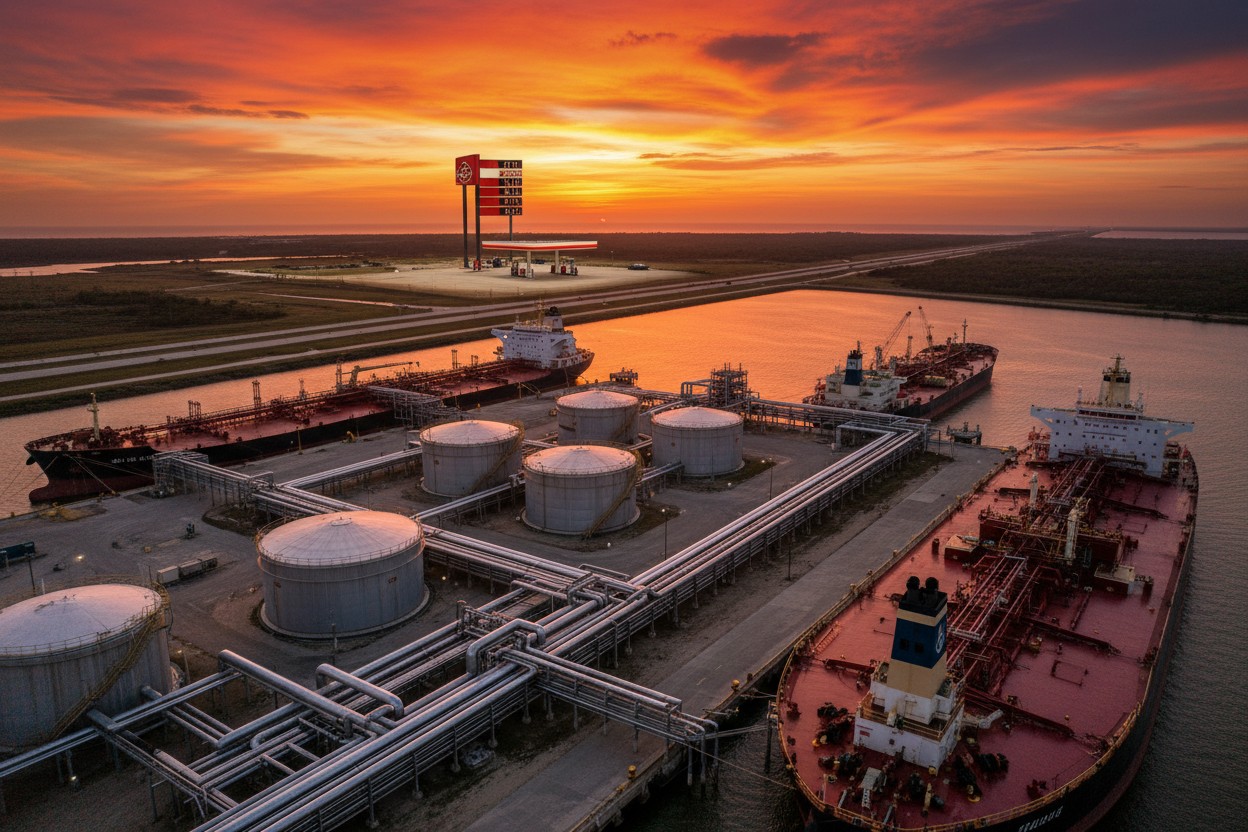
The proposal comes as global markets react with cautious optimism, sending Brent crude oil prices tumbling 11% to near $98 a barrel before recovering above $100. President Donald Trump described recent talks as “very good” while simultaneously threatening renewed bombing if Tehran rejects the terms — a dual-track approach consistent with his administration’s strategy of coercion over diplomacy.
The 14-point framework
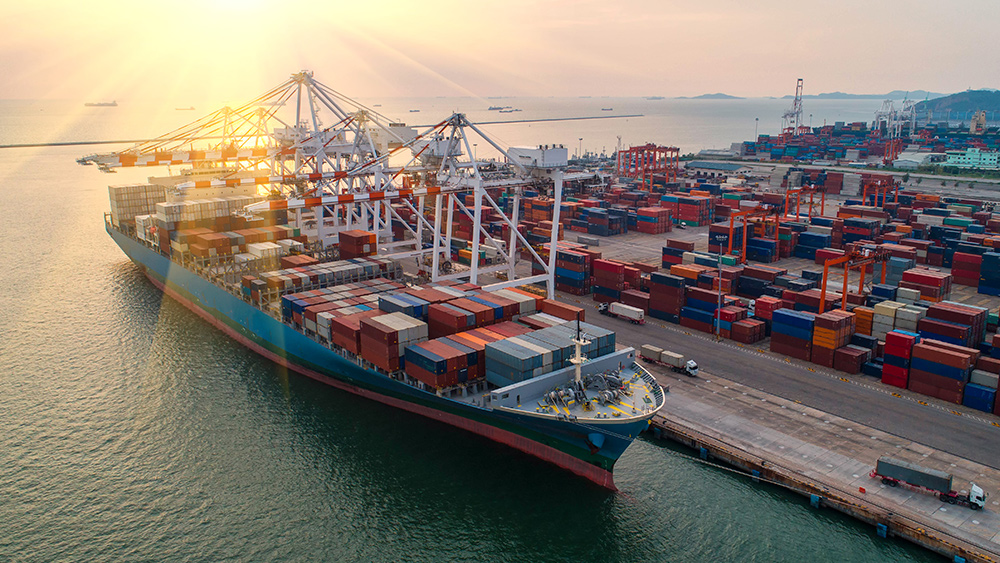
The one-page memorandum, shared with Iran through Pakistani intermediaries, would trigger a 30-day negotiating period if approved, according to a source familiar with the document. During that month, both sides would hash out final terms on nuclear capacity and future passage through the Strait of Hormuz, which before the war handled one-fifth of global oil and gas supplies.
Key provisions include:
- Formal end to the conflict that began February 28
- Reopening the Strait of Hormuz to international shipping
- Ban on Iran enriching uranium for ten years
- Lifting U.S. sanctions and releasing frozen Iranian funds
The ten-year enrichment ban represents a concession by Washington, reduced from an initial 20-year proposal during negotiations.
Iranian skepticism and domestic politics
Tehran’s response remains uncertain. Iranian lawmakers expressed deep skepticism about U.S. intentions. Parliament speaker Mohammad Baqer Qalibaf mocked reports of a breakthrough, writing on social media that “Operation Trust Me Bro failed” and suggesting such reports amounted to American spin. Lawmaker Ebrahim Rezaei, speaking for parliament’s foreign policy committee, described the text as “more of an American wish-list than a reality.”
Iran’s foreign ministry confirmed it is reviewing the proposal and will convey its response through Pakistani channels. President Masoud Pezeshkian held a two-and-a-half-hour meeting with Ayatollah Mojtaba Khamenei, the new supreme leader believed to have been seriously wounded in U.S.-Israeli strikes in late February — the most high-profile meeting with the reclusive leader since the war began.
Military operations continue
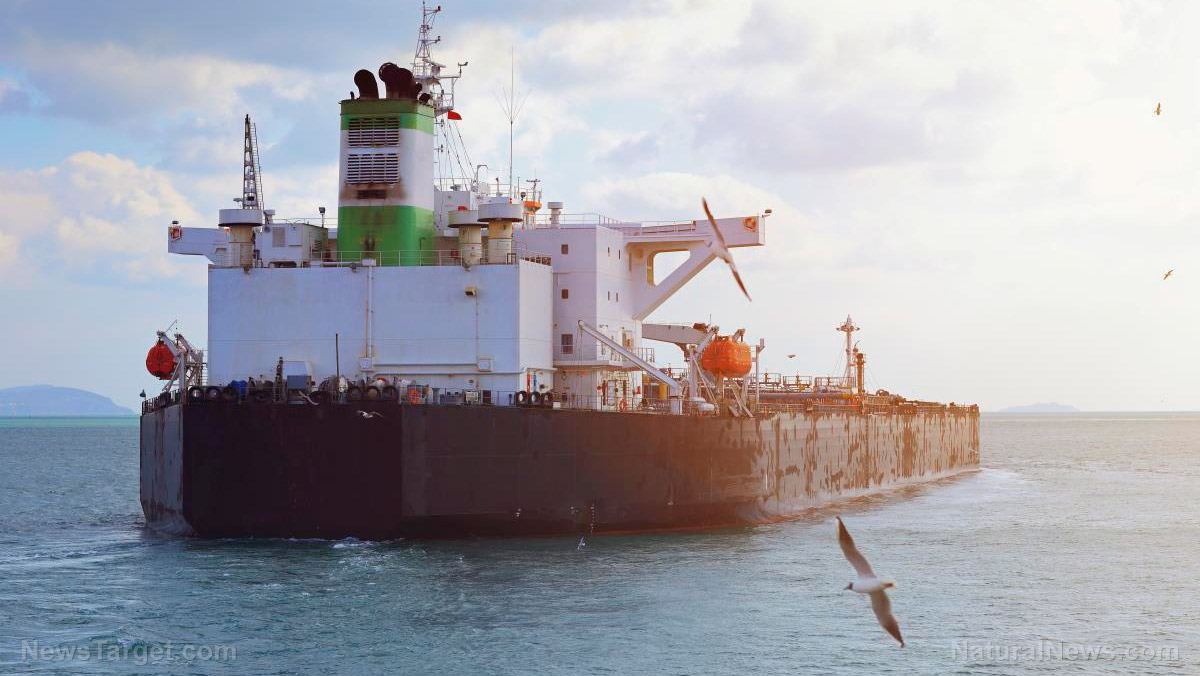
Despite peace talks, combat operations persist. U.S. Central Command said American forces fired at and disabled an Iranian-flagged tanker attempting to sail toward an Iranian port in violation of the U.S. blockade. Meanwhile, Israel struck Beirut’s southern suburbs for the first time since the April 17 ceasefire with Lebanon, targeting a Hezbollah commander.
The U.S. blockade of Iranian ports, implemented April 13 in response to Tehran’s closure of the Strait of Hormuz, remains in effect. Trump paused a naval mission to reopen the strait on Tuesday after Saudi Arabia reportedly denied the U.S. military permission to use a Saudi base for the operation — a development that underscored the diplomatic complexities surrounding the conflict.
Historical context and strategic implications
The current negotiations echo the 2015 Joint Comprehensive Plan of Action, which imposed limits on Iran’s nuclear program in exchange for sanctions relief. That agreement, which Trump withdrew from in 2018, was criticized for failing to address Iran’s ballistic missile development and support for proxy militias — the same issues left unresolved in the current one-page memorandum.
Iran has accumulated more than 400 kilograms of near-weapons-grade uranium since the collapse of the JCPOA, according to international inspectors. Israeli Prime Minister Benjamin Netanyahu, a longtime opponent of the nuclear deal, said Trump agreed that all enriched uranium must be removed from Iran to prevent weaponization. Tehran maintains it has no interest in developing nuclear weapons.
Global energy and economic stakes
The outcome of these negotiations carries profound implications for global energy markets and the broader Middle East. The Strait of Hormuz blockade has already disrupted energy supplies, contributing to inflation and economic uncertainty across Europe and Asia. Western Europe, still recovering from the destruction of the Nord Stream pipelines, faces particular vulnerability to energy disruptions.
If negotiations fail, the consequences could be catastrophic. Oil prices could exceed $150 a barrel, triggering global recession. Iran has demonstrated its willingness to target U.S. military installations across the region with advanced ballistic missiles. The humanitarian toll in Gaza, where death estimates range from 35,000 to 50,000, has inflamed public opinion across the Muslim world, putting additional pressure on Arab governments and Turkey.
A fragile window for peace
The next 48 hours will determine whether this proposal represents a genuine path to de-escalation or merely a tactical pause before renewed hostilities. The 30-day negotiating period, if triggered, would test whether both sides can bridge fundamental disagreements on nuclear enrichment, missile programs and regional influence that have fueled conflict for decades.
History offers sobering lessons about manufactured crises and wars built on deception. The 2003 invasion of Iraq, justified by false claims of weapons of mass destruction, demonstrated how intelligence can be distorted to serve political agendas. Today, the parallels are impossible to ignore: fabricated nuclear threats, stalled diplomacy and military escalation.
The world watches as Washington and Tehran stand at a crossroads. One path leads to a negotiated settlement that could stabilize energy markets, reduce regional tensions and prevent catastrophic human suffering. The other leads to a prolonged war with no exit strategy, drawing in Russia, China and regional powers in a conflict that could reshape the Middle East for generations. The choice belongs to leaders whose decisions will echo far beyond their own political fortunes.
Sources for this article include:
Submit a correction >>
Tagged Under:
big government, chaos, energy crisis, energy supply, global energy, globalism, Iran, market crash, military tech, national security, nuclear, peace deal, power, supply chain, Trump, weapons tech, WWIII
This article may contain statements that reflect the opinion of the author
RECENT NEWS & ARTICLES