EU and U.S. launch strategic stockpile to break China’s rare earth stranglehold
05/25/2026 / By Jacob Thomas
- The European Union announced plans to establish its first coordinated stockpile of critical minerals, including tungsten, rare earths and gallium, to break China’s grip on resources essential to defense, technology and clean energy.
- The initiative follows two years of stringent Chinese export controls on strategic minerals, including rare earth elements, which the EU has declared a critical concern.
- The EU is seeking a united front with the U.S. and other G7 nations, with the Trump administration considering a 100% tariff on Chinese imports in retaliation.
- Magnesium, germanium and graphite are likely on the priority list and most of these minerals appear on NATO’s list of materials critical to defense production.
- The bloc’s shift to stockpiling and domestic supply chains marks a move toward more interventionist industrial policies, signaling the end of passive dependence on Chinese rare earth minerals.
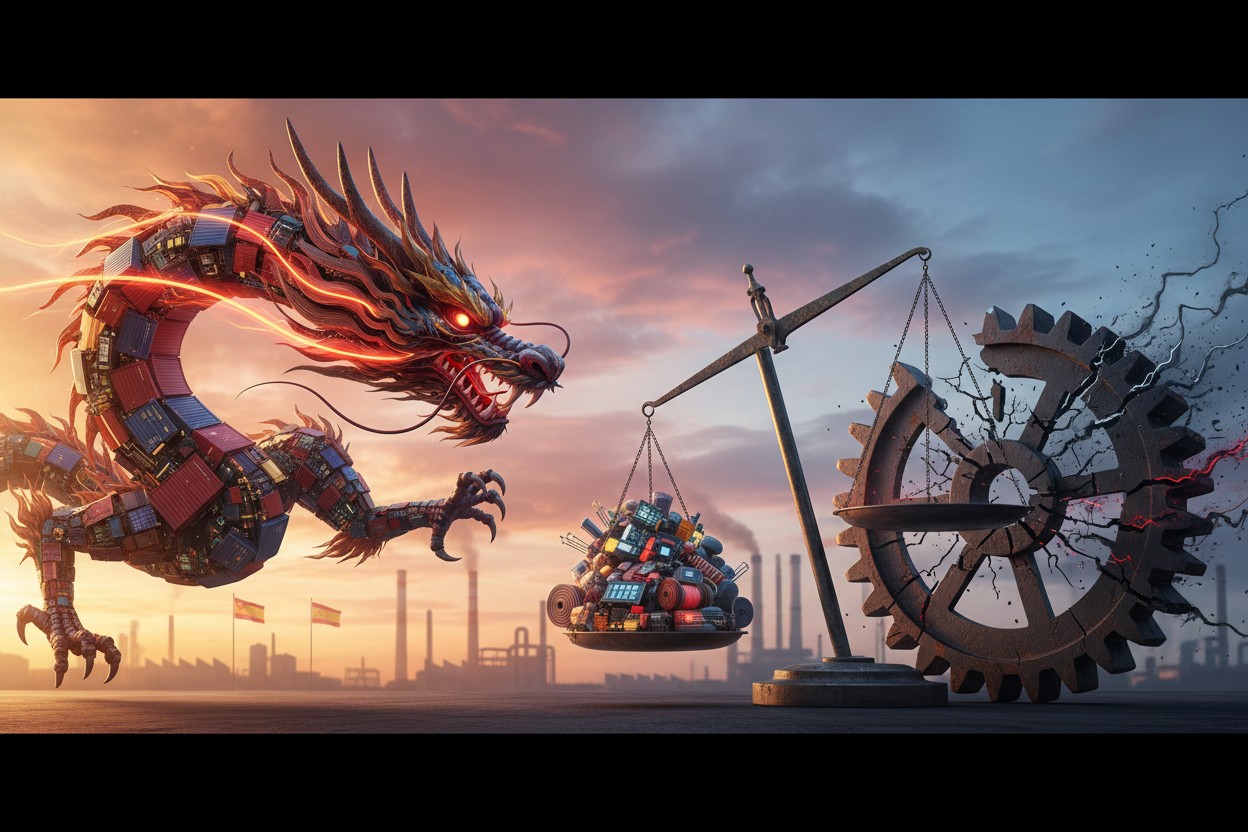
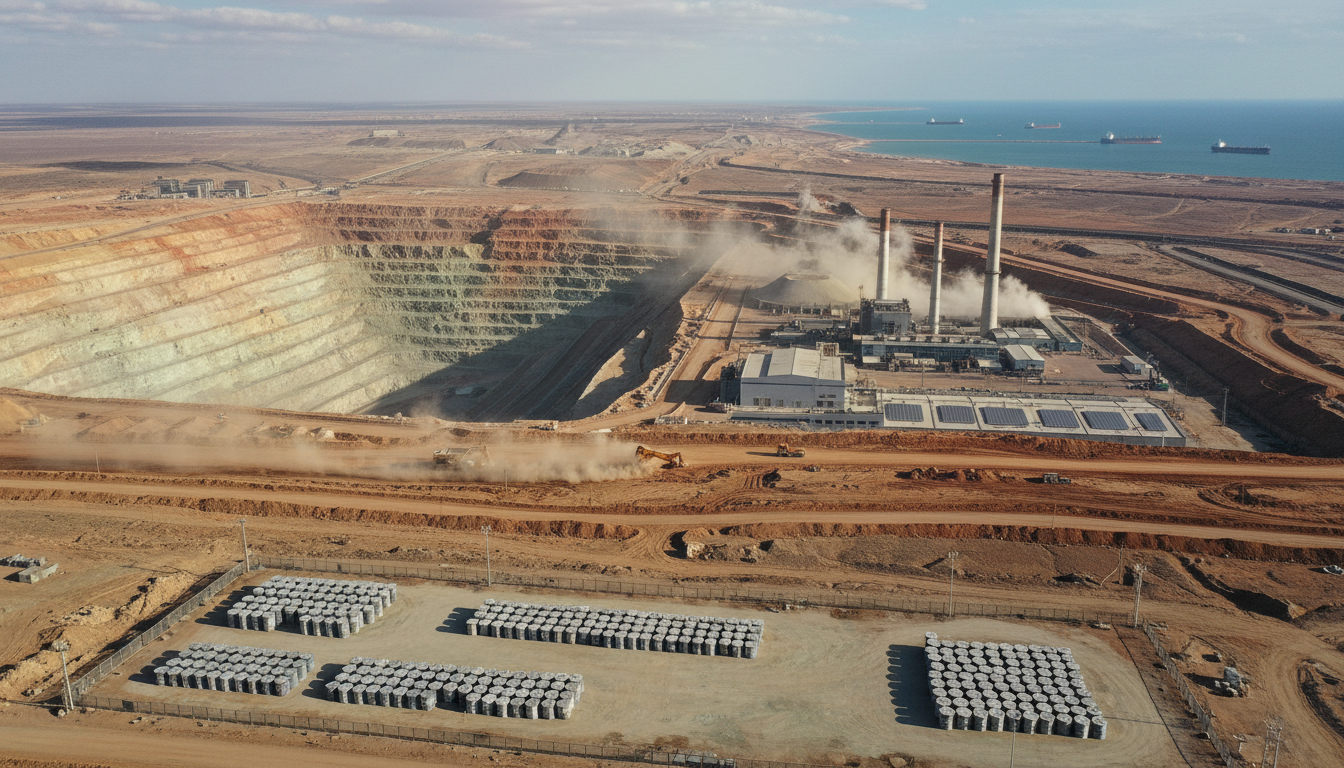
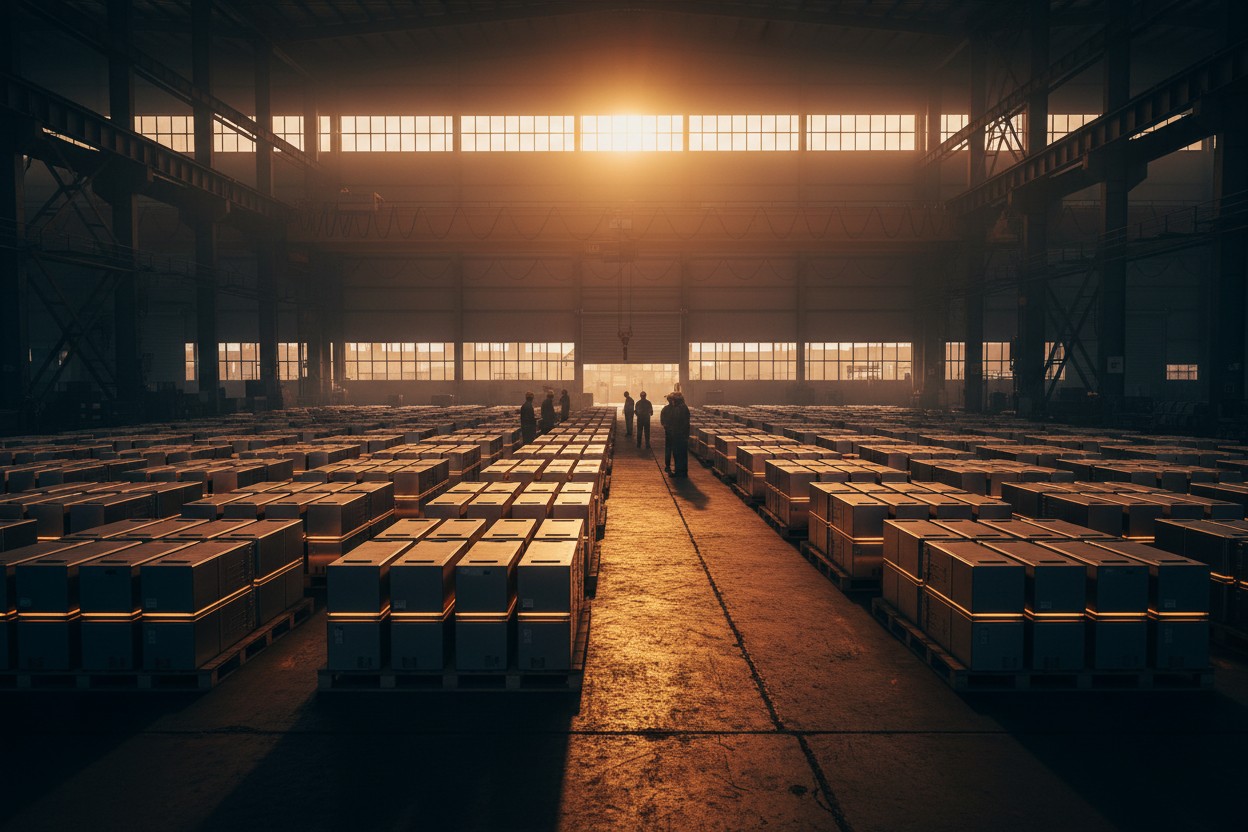
In a bold escalation of economic countermeasures, the European Union has announced plans to establish its first coordinated stockpile of critical minerals, including tungsten, rare earths and gallium, as Western nations move decisively to break China’s tight grip on resources essential to defense, technology and clean energy.
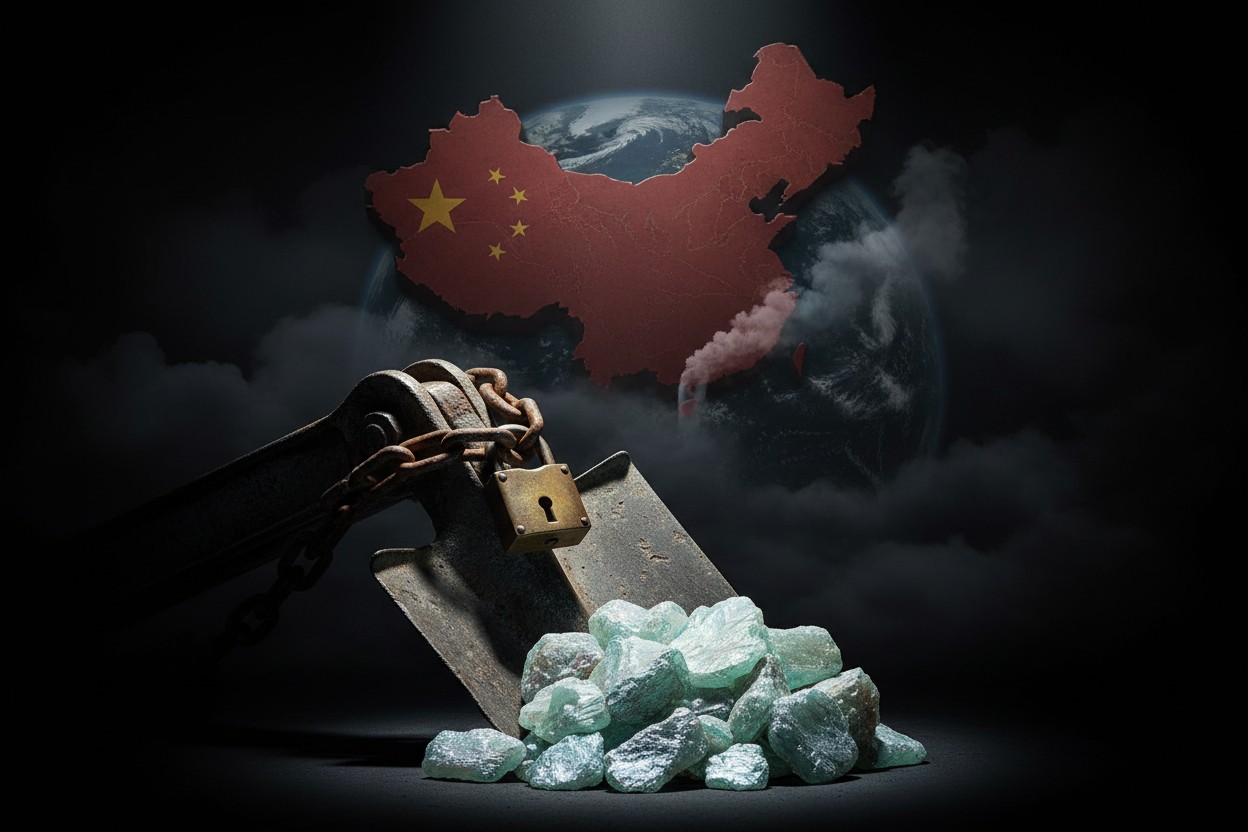
The initiative, reported on May 20, 2026, marks one of Europe’s most aggressive steps yet to safeguard its economy from supply disruptions following two years of increasingly stringent Chinese export controls on strategic minerals and technologies. The move comes as Beijing has imposed strict new controls on the export of rare earth elements, mandating approval for shipments and imposing new licensing requirements on foreign companies, according to sources familiar with the situation.
The European Union has declared China’s actions a critical concern and is actively seeking to form a united front with the U.S. and other G7 nations to coordinate a response to China’s dominance. The United States, under the Trump administration, is considering a 100% tariff on Chinese imports in retaliation for what Washington views as economic coercion.
Magnesium is expected to be included on the priority list, while germanium and graphite are also likely to make the final mix. Most of these minerals, except magnesium, appear on NATO’s list of materials considered critical to defense production.
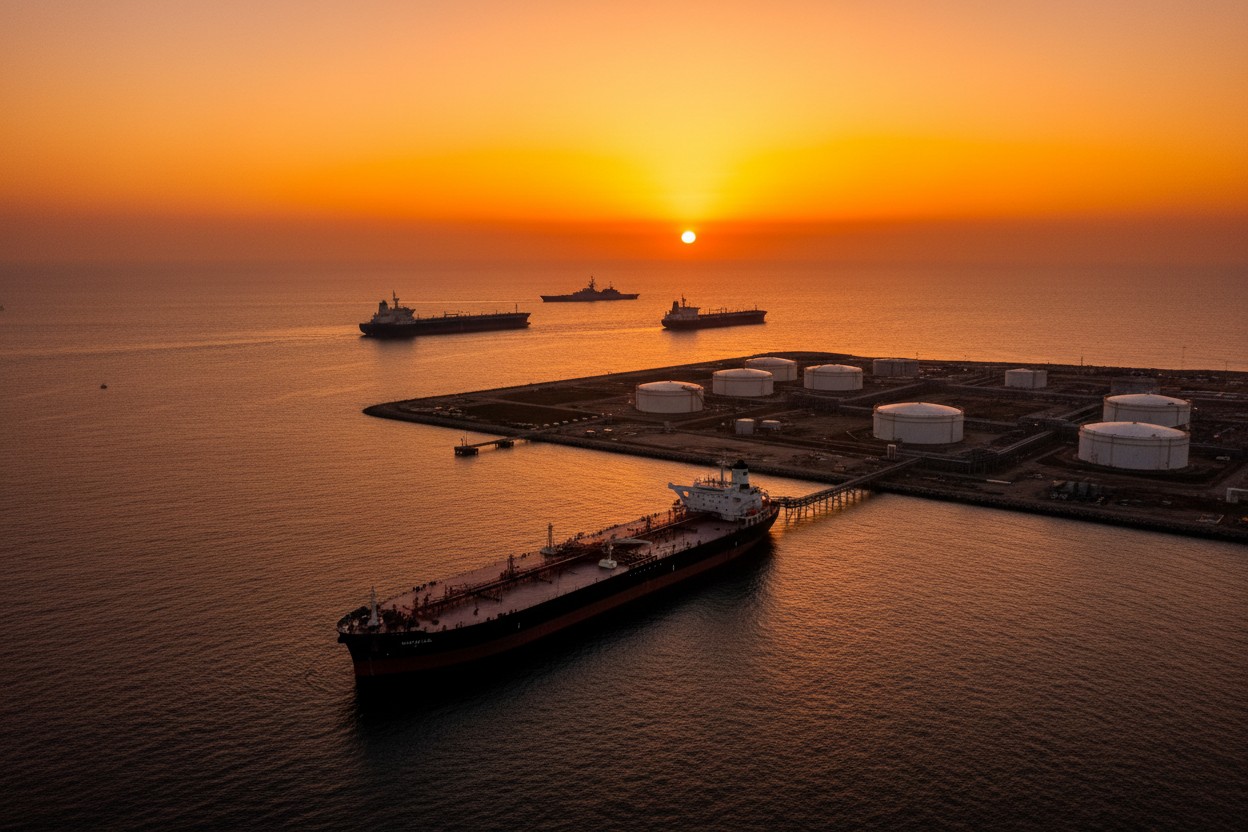
The bloc is currently in discussions with major logistics hubs, including the Port of Rotterdam in the Netherlands, over storage arrangements for the proposed reserves. Rotterdam, Europe’s largest port, serves as a critical gateway for industrial supply chains across the continent.
The metals in question are used in applications ranging from missiles and fighter aircraft to smartphones, electric vehicles and wind turbines. Rare earth magnets have become a particular strategic concern because China dominates both mining and processing capacity.
Europe’s dependence crisis
The urgency of the situation is underscored by startling dependency figures. According to the Center for Strategic and International Studies, the European Union imports 93% of its permanent magnets for wind turbines from Chinese suppliers. This dependence has raised alarm among policymakers attempting to accelerate clean energy deployment while reducing exposure to geopolitical risks.
The International Energy Agency reports that for copper, lithium, nickel, cobalt, graphite and rare earth elements, the combined market share of the top three producing countries rose to 86% in 2024 from 82% in 2020. Nearly all supply growth during that period came from Indonesia in nickel and China in the remaining minerals.
The EU-U.S. alliance signals a coordinated Western response to China’s dominance. The U.S. signals potential retaliation against China’s rare earth export controls, citing protection of U.S. and allied interests, according to reports.
Ten member states are now participating in planning groups led by Italy, France and Germany. France has made diversification of critical mineral supply chains a priority during its G7 presidency and is pushing for a permanent secretariat to oversee the initiative beyond the bloc’s rotating political leadership cycles.
Domestic production hurdles
Europe’s push to establish domestic supply chains has faced setbacks. Projects such as the Chvaletice manganese development in the Czech Republic have encountered lengthy delays tied to permitting and grid access, despite receiving Strategic Project designation under the EU’s Critical Raw Materials Act. Fast-track permitting measures proposed under the legislation have yet to be fully incorporated into Czech law.
The U.K. last year updated its own national critical minerals strategy aimed at reducing permitting hurdles, diversifying imports and increasing recycling capacity for battery metals and industrial waste streams.
According to BrightU.AI‘s Enoch, the stockpile discussions highlight how Western governments are shifting from market-driven supply models toward more interventionist industrial policies as competition for strategic resources intensifies. The effort follows mounting concern across Western capitals that China could weaponize mineral exports during future trade or geopolitical disputes.
Beijing’s export restrictions on gallium, germanium and graphite in recent years disrupted global markets and intensified calls for strategic reserves similar to petroleum stockpiles. The U.S. and allies including Japan and South Korea are also building reserves or financing alternative supply chains to reduce exposure to Chinese production.
As the West confronts its vulnerability, the message is clear: the era of passive dependence on Chinese rare earth minerals is ending, replaced by a new paradigm of strategic autonomy and collective economic defense.
Watch this video about rare Earth minerals and China’s threat against America.
This video is from the Health Ranger Report channel on Brighteon.com.
Sources include:
Submit a correction >>
Tagged Under:
China Export Controls, Clean Energy, critical minerals, defense production, European Union, g7, gallium, germanium, graphite, industrial policy, magnesium, NATO, Port of Rotterdam, rare earth elements, stockpile, strategic autonomy, supply chain, tariffs, tungsten, United States
This article may contain statements that reflect the opinion of the author
RECENT NEWS & ARTICLES