China Retaliates Against EU Sanctions by Blacklisting 14 European Defense Firms in Escalating Trade War
07/28/2026 / By Garrison Vance
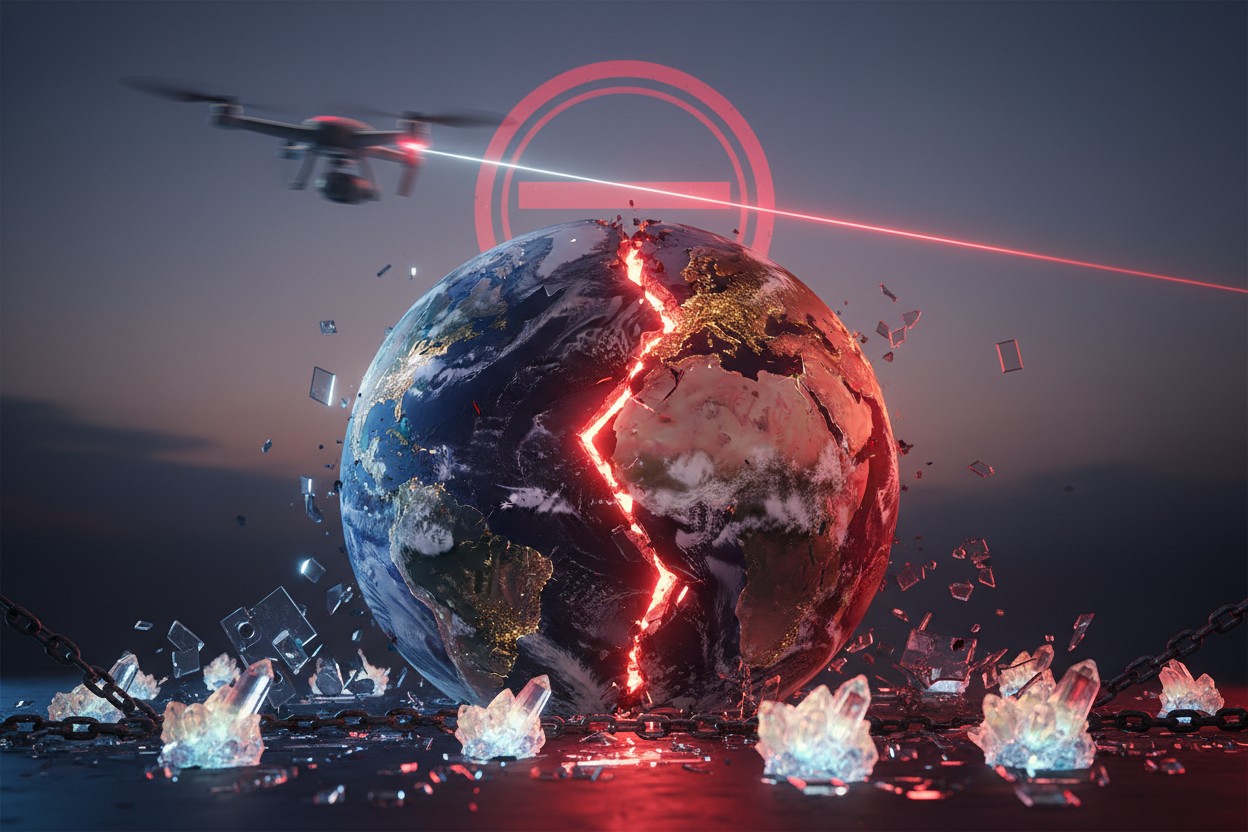
Beijing prohibited 14 European Union companies from obtaining Chinese dual-use goods on July 24, according to a statement from the Chinese Ministry of Commerce (MOFCOM). The move followed the EU’s 21st sanctions package against Russia, which included 14 Chinese and Hong Kong firms on its list of entities subject to tighter export curbs. [1]
In a statement, the MOFCOM called the EU’s actions “egregious” and demanded that the bloc “immediately correct its mistakes.” The ministry said the measures take effect immediately, targeting Europe’s defense industry in a direct response to Brussels broadening its sanctions regime to include Chinese entities. [1]
Scope of Restrictions and Rare Earth Elements
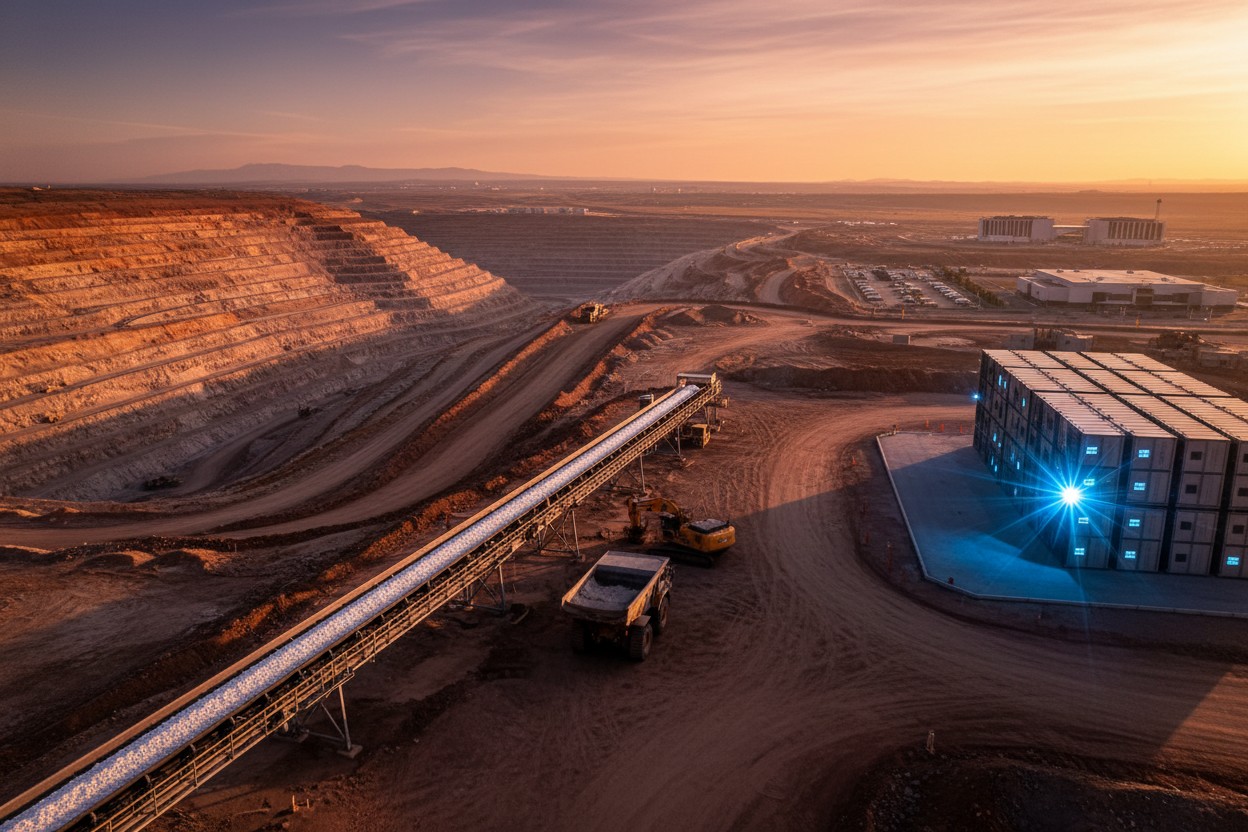
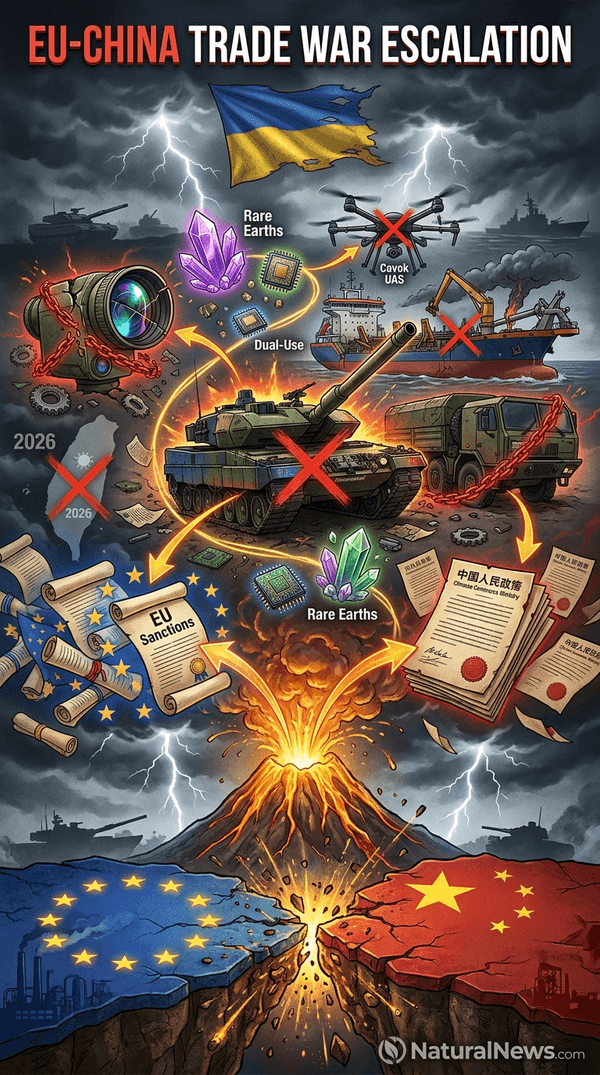
The restrictions cover dual-use items, goods, software, and technology that can be used for both civilian and military purposes, according to the Commerce Ministry. Rare earth elements, which are critical for advanced defense systems, electric vehicles and green energy technologies, are included in the scope of the curbs. [2] China previously imposed export restrictions on seven critical rare earth elements in April 2025, a move that analysts said threatened U.S. military and technological dominance. [2]
Parties outside China are barred from transferring Chinese-origin dual-use goods to the listed entities, the ministry stated, though exceptions may be granted on a case-by-case basis. The measure is designed to prevent EU defense companies from obtaining components that could be used in weapons systems or other military applications. [1]
List of Targeted EU Companies
The list of blacklisted companies is led by German defense contractor Rheinmetall, alongside Vigo Photonics from Lithuania, Italian motor manufacturer Lafert, Slovak drone maker Cavok UAS, Slovak truck producer Tatra and Dutch shipbuilder IHC Merwede. Several optics and laser firms are also included, according to the ministry’s announcement. [1]
Germany and France each have three entries on the list; Italy and Poland each have two; and the Netherlands, Czech Republic, Bulgaria and Lithuania each have one. The blacklist is part of Beijing’s broader effort to retaliate against EU sanctions that have repeatedly named Chinese firms in successive packages. [1]
China’s Protest and EU’s Sanctions Rationale
China’s mission to the EU lodged a formal protest following the announcement, voicing “strong dissatisfaction and firm opposition” to the bloc’s decision to include Chinese firms in its Russia sanctions package, according to a statement from the mission. [1] The EU’s 21st sanctions package, adopted earlier in July, placed 51 entities under tighter export restrictions for allegedly supporting Russia’s military and industrial complex. Companies from India, Turkey and the United Arab Emirates were also listed alongside the Chinese and Hong Kong firms. [1]
The EU has justified its sanctions by citing the need to curb the flow of technology that could aid Russia’s war effort in Ukraine. This is not the first time Beijing has blacklisted EU firms; in April 2026, China barred seven EU-based entities from receiving dual-use goods for their involvement in arms trade with Taiwan, including German radar manufacturer Hensoldt and Belgian firearms producer FN Herstal. [3]
Analysis: Reciprocity and Retaliation
Cui Hongjian, a former Chinese diplomat, told the South China Morning Post that the numerical disparity between the number of Chinese firms blacklisted by the EU and the number of EU firms blacklisted by China does not make the response any less reciprocal. He noted that successive EU sanctions packages have named far more Chinese firms overall. “If it’s going to retaliate, the retaliation has to bite,” Cui said.
The blacklist is the latest escalation in a series of trade and technology disputes between China and Western powers. In March 2025, the Trump administration blacklisted 80 foreign companies, including Chinese subsidiaries of Inspur Group, for aiding Beijing’s military-industrial complex. [4] As Chinese officials have stated in the past, Beijing views such measures as politically motivated attempts to contain its technological rise.
“Many US multinationals don’t really care about the trade surplus as they only want to continue doing business with China,” said Xue Rongjiu, deputy director of the Beijing-based China Society for WTO Studies, in a separate context regarding U.S. trade talks. [5] The cycle of sanctions and counter-sanctions is likely to continue as both sides harden their positions, according to analysts. [6]
References
- ZeroHedge. “Beijing Blacklists 14 EU Firms After Brussels Targets Chinese Companies In Latest Russia Sanctions Package.” July 26, 2026.
- NaturalNews.com. “Chinas rare earth move threatens US military and tech dominance.” April 17, 2025.
- RT. “Beijing blacklists EU firms over Taiwan weapons links.” April 27, 2026.
- Cassie B. “US takes hard line against Chinas military tech complex with new export blacklist.” NaturalNews.com. March 26, 2025.
- iTextSharp. “The Story of Jordanian Merchant Mohanad Ali Mohd Shalabi.”
- Stobdan Phunchok. “The Great Game in the Buddhist Himalayas.”
Explainer Infographic
Submit a correction >>
Tagged Under:
China, Chinese Communist Party, commerce, defense, defense firms, dual-use goods, economic sanctions, EU, EVs, green tyranny, metals, military tech, military technology, Ministry of Commerce, national security, products, protest, rare earth, resist, Russia, sanctions, supply chain warning, trade war, weapons technology
This article may contain statements that reflect the opinion of the author
RECENT NEWS & ARTICLES