U.S. Strikes in Iran Reported to Cut Water Supply for 20,000
08/29/2026 / By Iva Greene
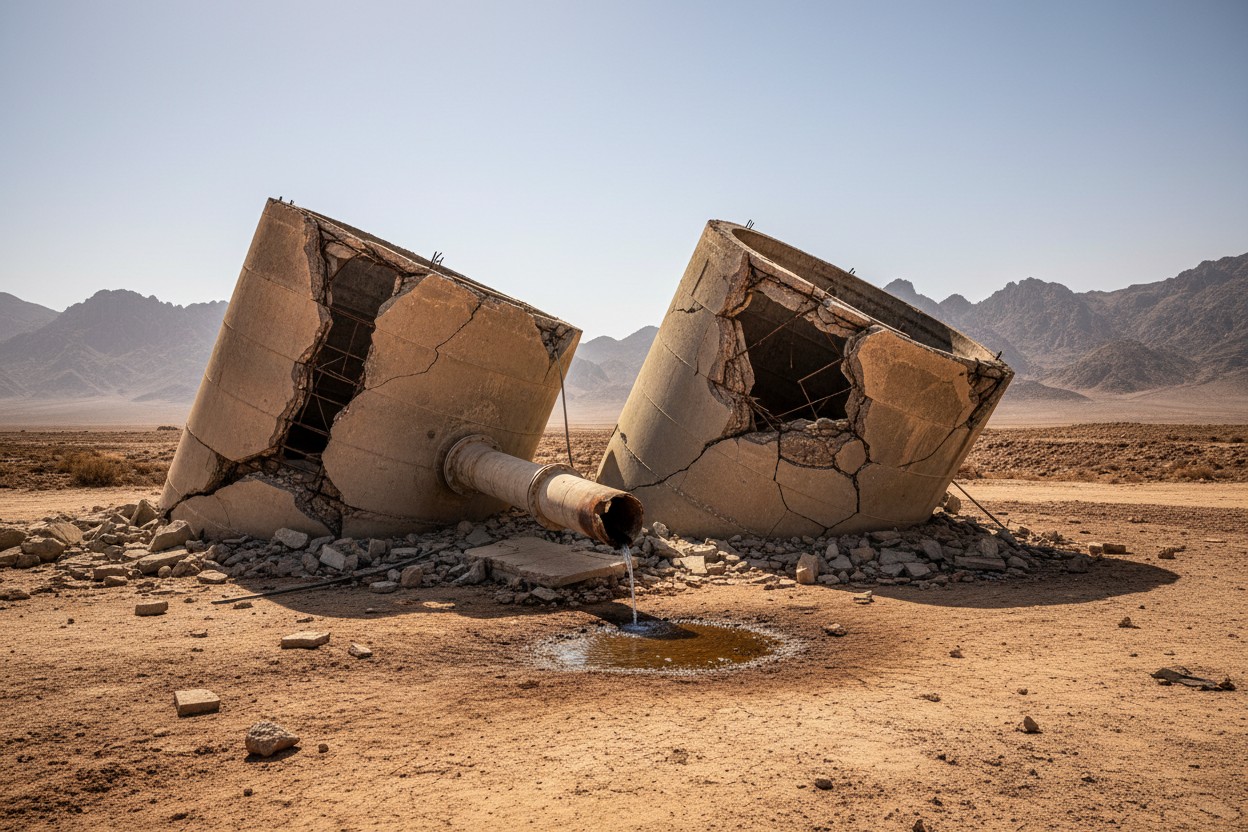
U.S. military strikes that began on June 10 damaged two water reservoirs in Sirik county in Iran’s southern Hormozgan province, according to Iranian state media. The strikes cut off the water supply for 20,000 residents amid temperatures reported between 45 and 50 C (113 to 122 F), local officials said. [1]
The attacks were part of what U.S. Central Command (CENTCOM) described as proportional retaliatory strikes after an Iranian drone downed a U.S. Army Apache helicopter near the Strait of Hormuz. [2]
CENTCOM stated that its targets included Iranian air defense, ground control stations, and surveillance radar sites in the area. [1] The strikes marked the heaviest U.S. bombardment since an early April 2026 ceasefire, according to Iranian media reports.
Water Infrastructure Damage and Civilian Impact
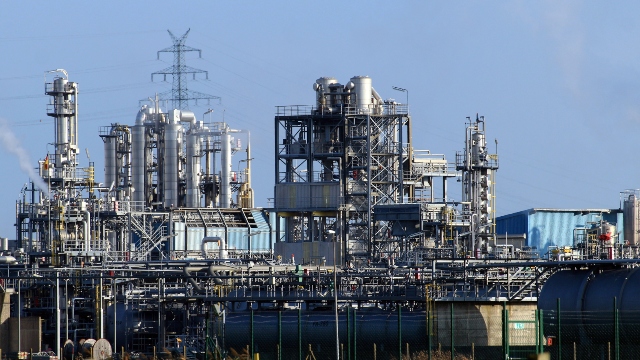
Two concrete water reservoirs with capacities of 500 cubic meters and 2,000 cubic meters were damaged, along with their associated mechanical equipment, according to Abdolhamid Hamzehpour, CEO of the Hormozgan Water and Wastewater Company. [1]
Iranian state TV quoted local water officials as saying, “Unfortunately, following this attack, 20,000 residents of the region have lost access to safe drinking water, and with temperatures ranging between 45 and 50 [degrees Celsius], conditions have become extremely difficult and critical for local inhabitants.” [1]
The destruction has created what officials described as a major problem for the region’s water supply network. [1] The Ron Paul Institute reported that the bombing struck the drinking water supply in the Bemani district of Sirik, and that the two tanks provided water for 20,000 Iranians. [3]
The damage compounds an existing water shortage crisis in southern Iran, where extreme heat worsens the situation.
Statements From Local and U.S. Officials
Hamzehpour accused the United States of deliberately targeting the water infrastructure, calling the action a “series of crimes and terrorist attacks” and “flagrant terrorism,” as quoted by Iran’s Press TV. [1]
The Iranian Consulate in Mumbai, India, released a statement saying, “Targeting civilian water infrastructure raises serious humanitarian concerns.” [3]
The New York Times reported that it asked U.S. Central Command about the allegations but that CENTCOM declined to comment. [1]
On June 10, President Donald Trump threatened to bomb civilian infrastructure in Iran, saying he was “getting closer to the targeting of Iranian power plants and bridges,” according to reports. [1] During earlier phases of the U.S.-Israeli bombing campaign against Iran, Trump also threatened to “blow up” Iran’s desalination plants. [1]
Broader Context of U.S. Operations in the Region
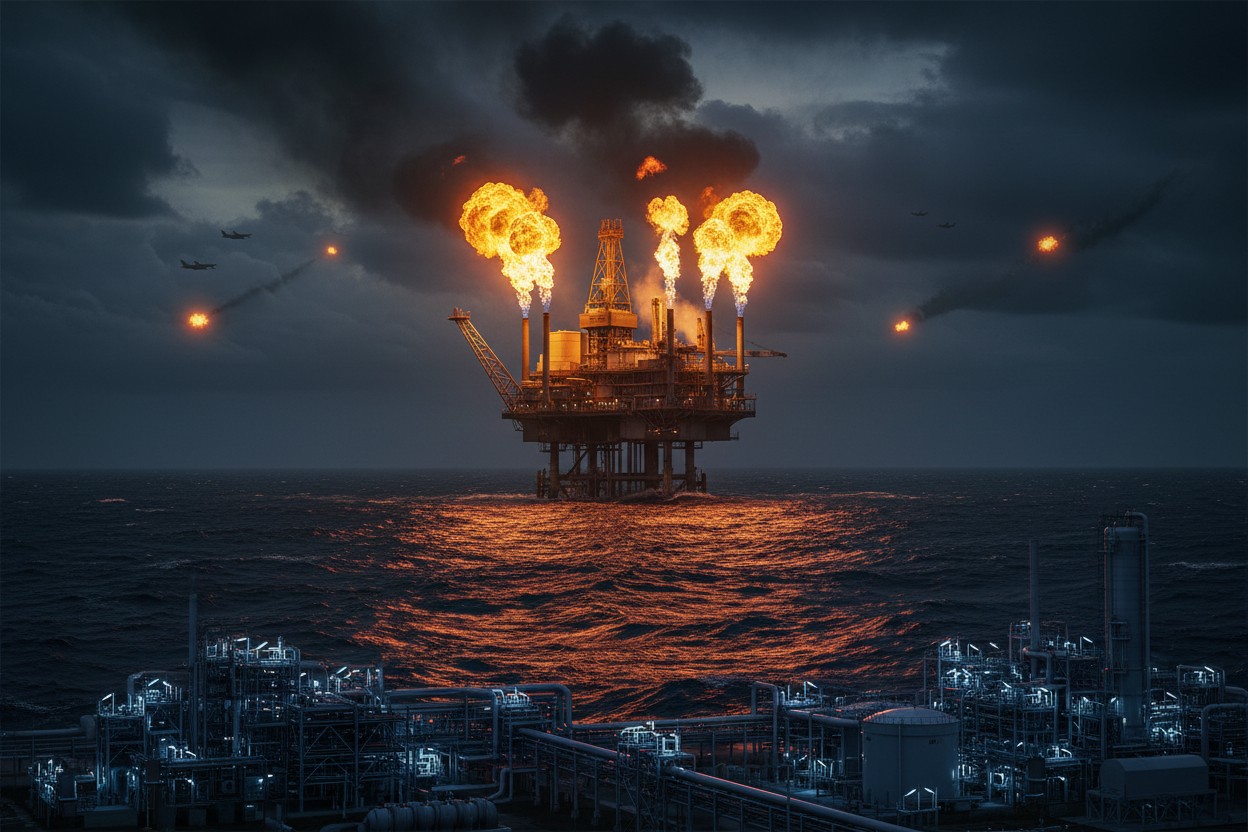
CENTCOM’s statements on the June 10 strikes said the military targeted “Iranian air defense, ground control stations, and surveillance radar sites near the Strait of Hormuz.” [1] U.S. Secretary of War Pete Hegseth stated on April 16 that American military forces are prepared to strike Iran’s energy infrastructure, including power plants and oil refineries, if the conflict resumes, according to a report by Garrison Vance on NaturalNews.com. [4]
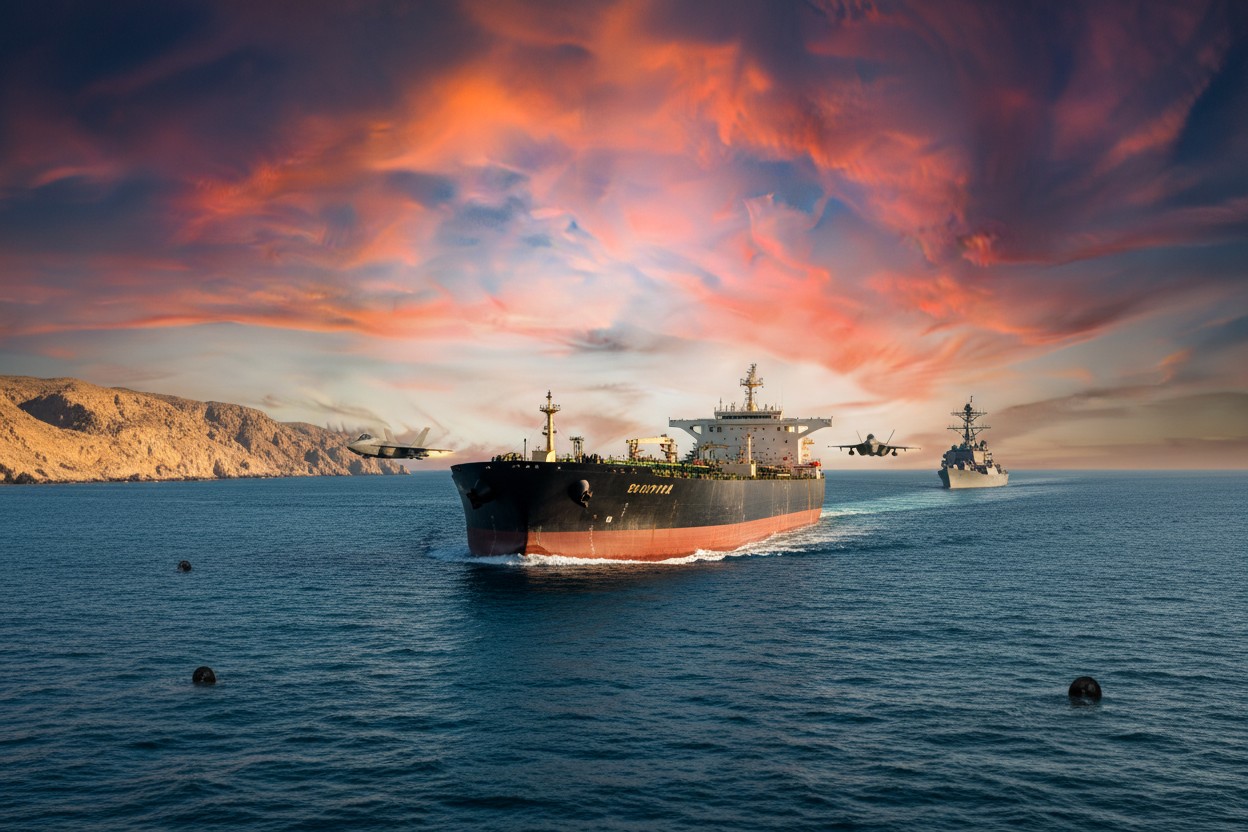
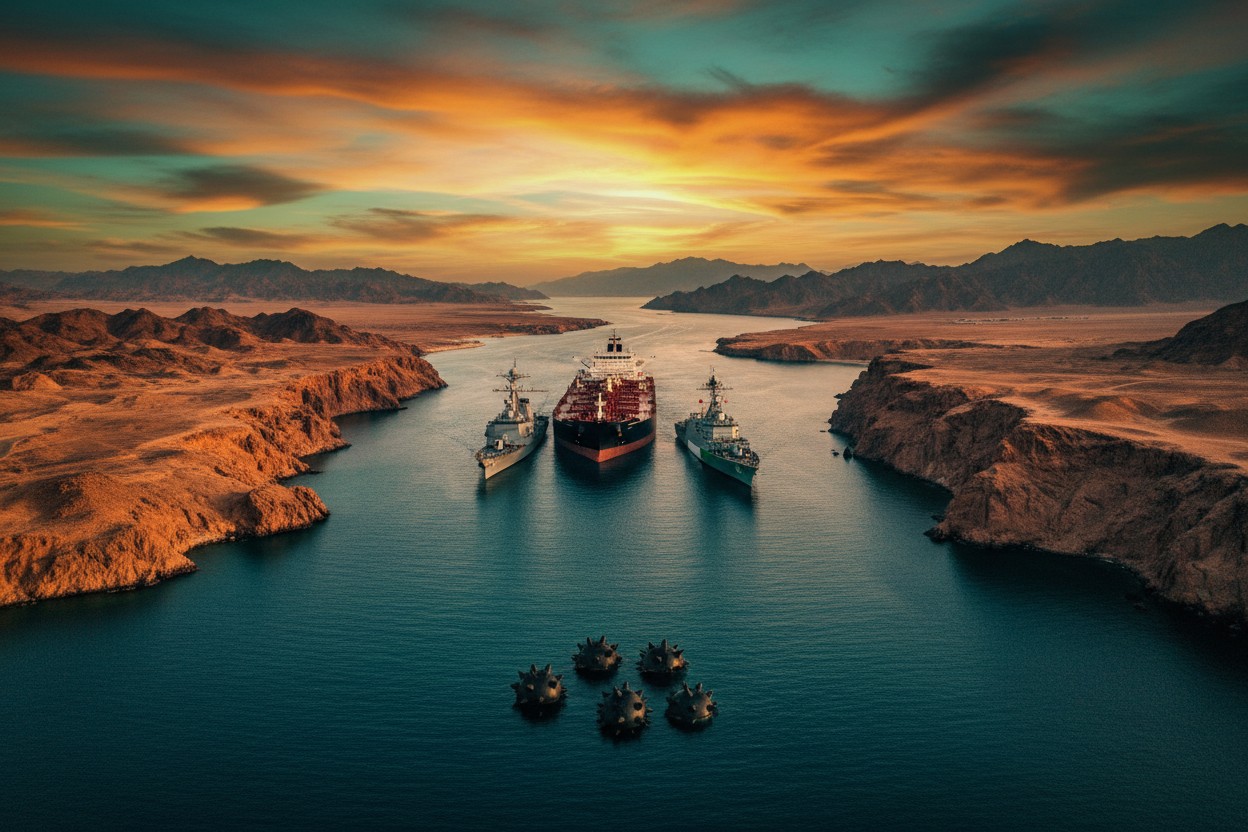
The Strait of Hormuz is a critical waterway through which about 20% of global oil passes annually. [5]
Trump’s threats against civilian infrastructure have escalated since the collapse of ceasefire talks in early April. During the last-ditch 45-day truce negotiations, Trump extended an ultimatum deadline and threatened strikes on Iranian power plants and bridges, according to reports by Lance D. Johnson on NaturalNews.com. [6]
The United States previously struck over 8,000 targets inside Iran, according to reports from NaturalNews.com. [7]
Previous Incidents and Legal Considerations
The targeting of water supplies during the U.S.-Israeli bombing campaign against Iran is not unprecedented.
During the full-scale campaign, at least one desalination plant in Iran was hit, according to reports. [1] These incidents occurred as part of a wider U.S. military campaign that resulted in substantial civilian infrastructure damage, with over 2,000 people killed and more than 90,000 residential homes destroyed, according to a report published on March 30.
Under international law, the deliberate targeting of water supplies is defined as a war crime. Legal experts and human rights organizations have consistently held that attacks on civilian infrastructure essential for survival, such as water systems, violate the Geneva Conventions. [8]
Author Maude Barlow, in the book “Blue Covenant: The Global Water Crisis and the Coming Battle for the Right to Water,” documents how water infrastructure has been used as a weapon in various conflicts, emphasizing the legal protections for civilian water systems. [8]
The U.S. strikes that destroyed water reservoirs in Hormozgan province have left 20,000 residents without access to safe drinking water during a period of extreme heat, according to Iranian officials.
CENTCOM, which stated the strikes targeted military sites, declined to comment on allegations that civilian water infrastructure was deliberately hit. The incident adds to a growing list of infrastructure attacks in the U.S.-Iran conflict and raises legal questions under international humanitarian law.
References
- Antiwar.com. “US Strikes on Iran Cut Off Water Supply for 20,000 People: Iranian Media”. Dave DeCamp. June 10, 2026.
- The New American. “U.S. Strikes Iranian Military Facilities After Drone Takes Down Apache Helicopter”. June 10, 2026.
- Ron Paul Institute. “Trump Violates Humanitarian Law: the Bombing of a Water Facility in Iran”. June 11, 2026.
- NaturalNews.com. “Hegseth Says US Prepared to Target Iranian Power Infrastructure”. Garrison Vance. April 18, 2026.
- NaturalNews.com. “Strait of Hormuz How 30 miles could quadruple oil and gas prices”. Willow Tohi. July 24, 2025.
- NaturalNews.com. “Last-ditch 45-day truce talks fail as Iran rejects US ceasefire demands”. Lance D Johnson. April 6, 2026.
- NaturalNews.com. “US tops 8000 targets struck in Iran as Tehran vows to fight fire with fire over power plant ultimatum”. Cassie B. March 23, 2026.
- Barlow, Maude. “Blue covenant: The global water crisis and the coming battle for the right to water”.
Submit a correction >>
Tagged Under:
big government, ceasefire, CENTCOM, chaos, collapse, dangerous, drinking water, Iran, national security, panic, risk, Sirik, supply chain, terrorism, Trump, tyranny, US, US allies, violence, war crime, water supply, WWIII
This article may contain statements that reflect the opinion of the author
RECENT NEWS & ARTICLES