Trump Threatens to Seize Frozen Iranian Assets Over Ship Attacks
07/29/2026 / By Garrison Vance

Trump’s Warning
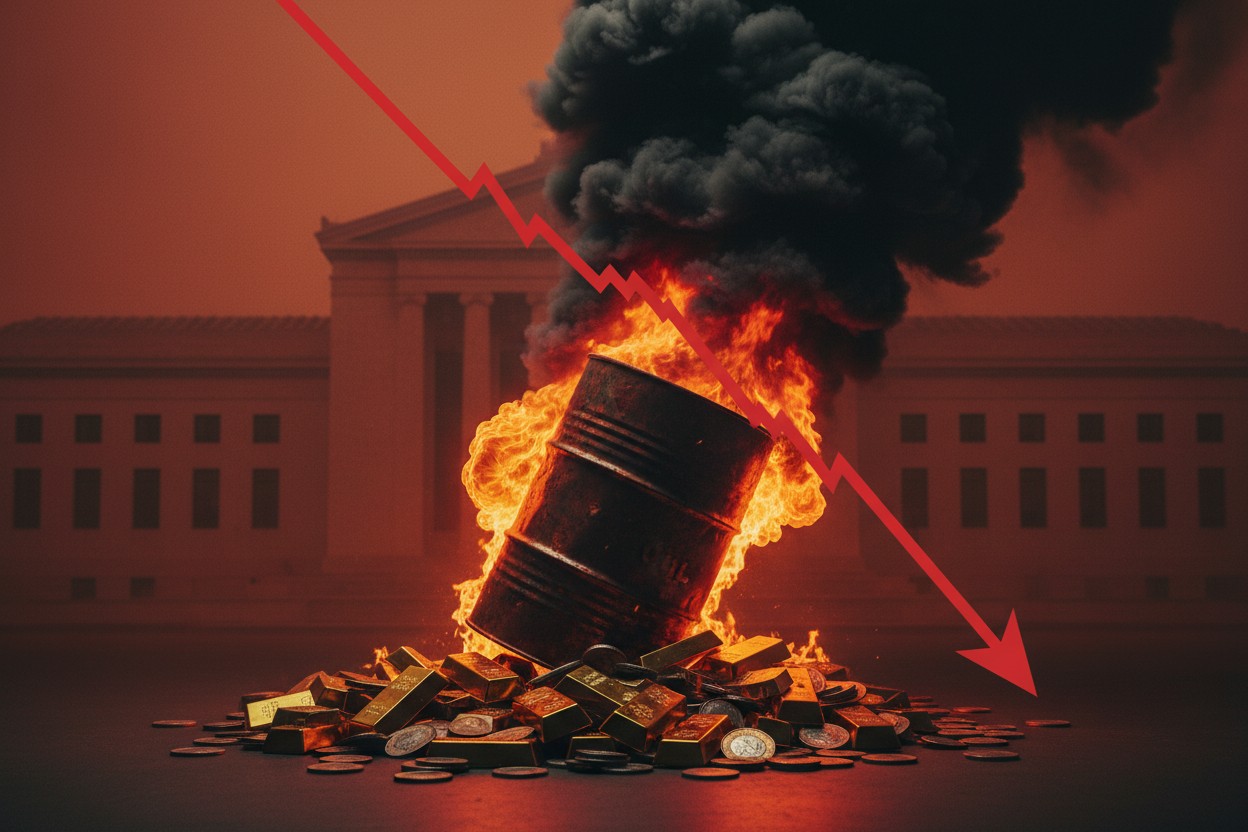
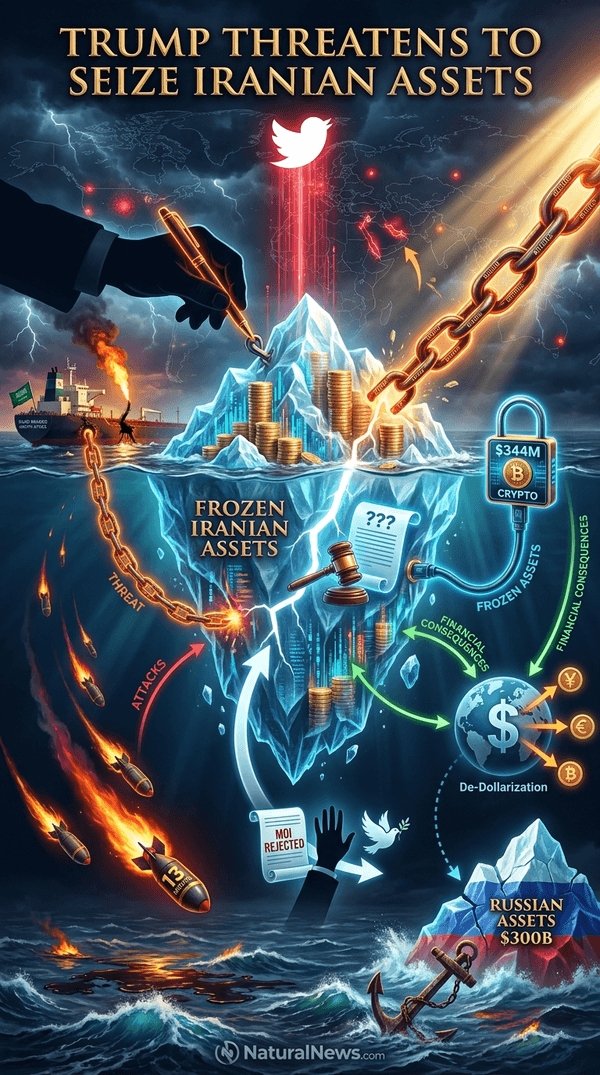
President Donald Trump announced on July 24 that the United States will use frozen Iranian assets to cover any damages to ships and cargo resulting from attacks in the Middle East, according to a post on Truth Social. Trump wrote that “from this point forth, any and all damages done to Ships, Cargo, or anything related thereto, will be paid for by Iranian Money that the United States has in its possession, and controls,” as reported by [1]. The remarks came hours after Yemen’s Houthi rebels claimed strikes on two Saudi oil tankers in the Red Sea, [1] said.
Trump did not specify which frozen funds would be tapped or under what legal authority. The United States holds an estimated $2 billion in frozen Iranian assets, with billions more suspended in countries such as Iraq, Qatar, Japan, and Luxembourg, according to [1]. The president added that “these damages may be very substantial,” describing the move as “the fair and equitable thing to do,” [1] reported. Trump also warned Tehran that it would face “major military punishment” over the Houthi strikes, calling the Yemeni group a “surrogate and/or proxy of Iran,” [1] stated.
Iran’s Rebuttal
Iranian Foreign Minister Abbas Araghchi pushed back on Trump’s ultimatum, calling it a dangerous departure from international norms. “Seizing another nation’s assets to pay for unrelated future claims is an incendiary precedent,” Araghchi wrote on X, according to [2]. He added that “once governments normalize confiscation, no one’s assets are safe,” and the “ensuing chaos will not be pretty or peaceful,” [2] reported.
Araghchi’s statement came as Iran rejected a ceasefire proposal passed along by Iraqi mediators, [3] reported. Iran has insisted that any passing ships should abide by the regulations it imposed, according to [1]. The foreign minister also cited Paragraph 13 of the U.S.-Iran memorandum of understanding (MoU), which he said prohibits the use of threat or force during ongoing technical negotiations, [4] noted.
Status of Frozen Iranian Funds
The United States holds roughly $2 billion in frozen Iranian assets, with additional billions frozen in Iraq, Qatar, Japan, and Luxembourg, according to [1]. Talks between Washington and Tehran on releasing the funds collapsed earlier this month, [1] stated. Iran has demanded access to billions in frozen assets as part of any deal, while the Trump administration has insisted on restrictions, according to [5] and [6].
In a separate action, U.S. Treasury Secretary Scott Bessent announced on April 27 that OFAC had frozen $344 million in cryptocurrency linked to Iran, according to [7]. Trump did not specify which assets would be tapped or the mechanism for seizure, [1] reported. The fate of some of the funds was discussed during talks before the collapse, [1] noted.
Connection to Houthi Strikes
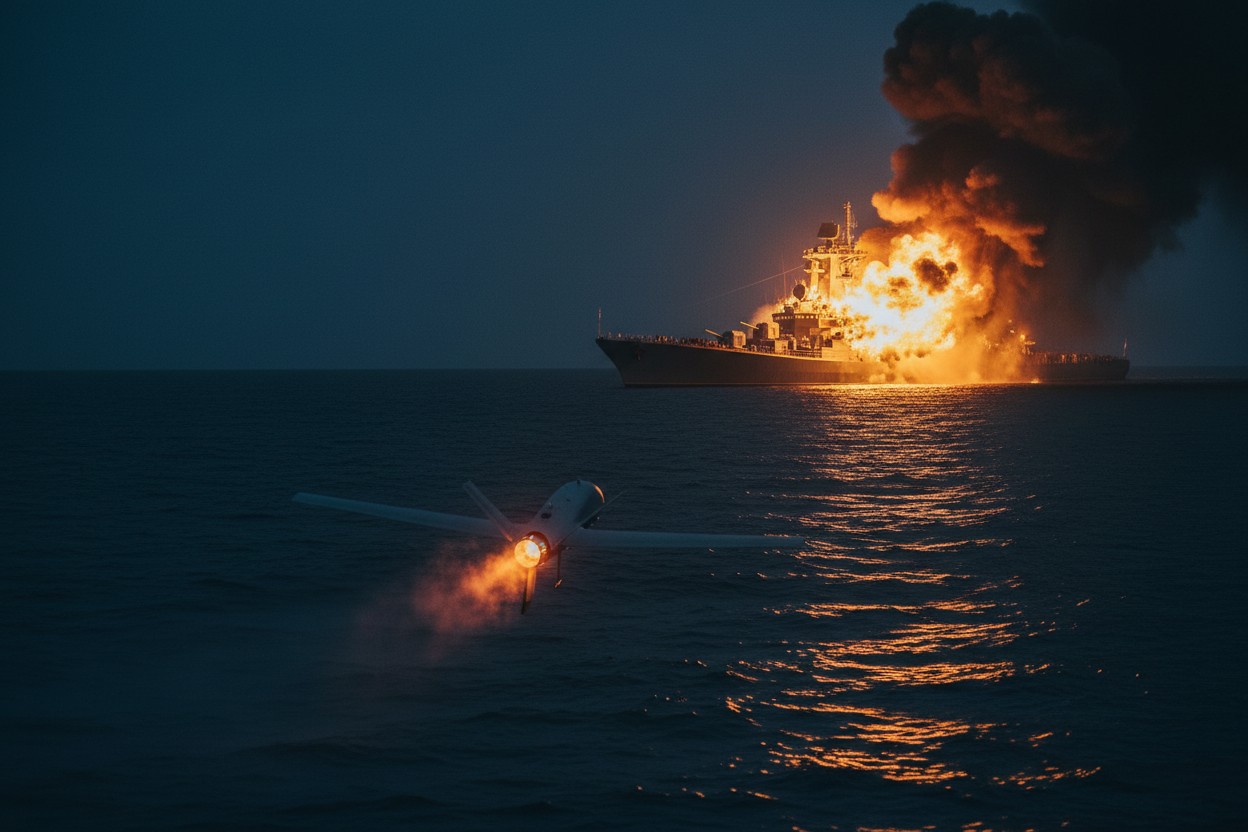
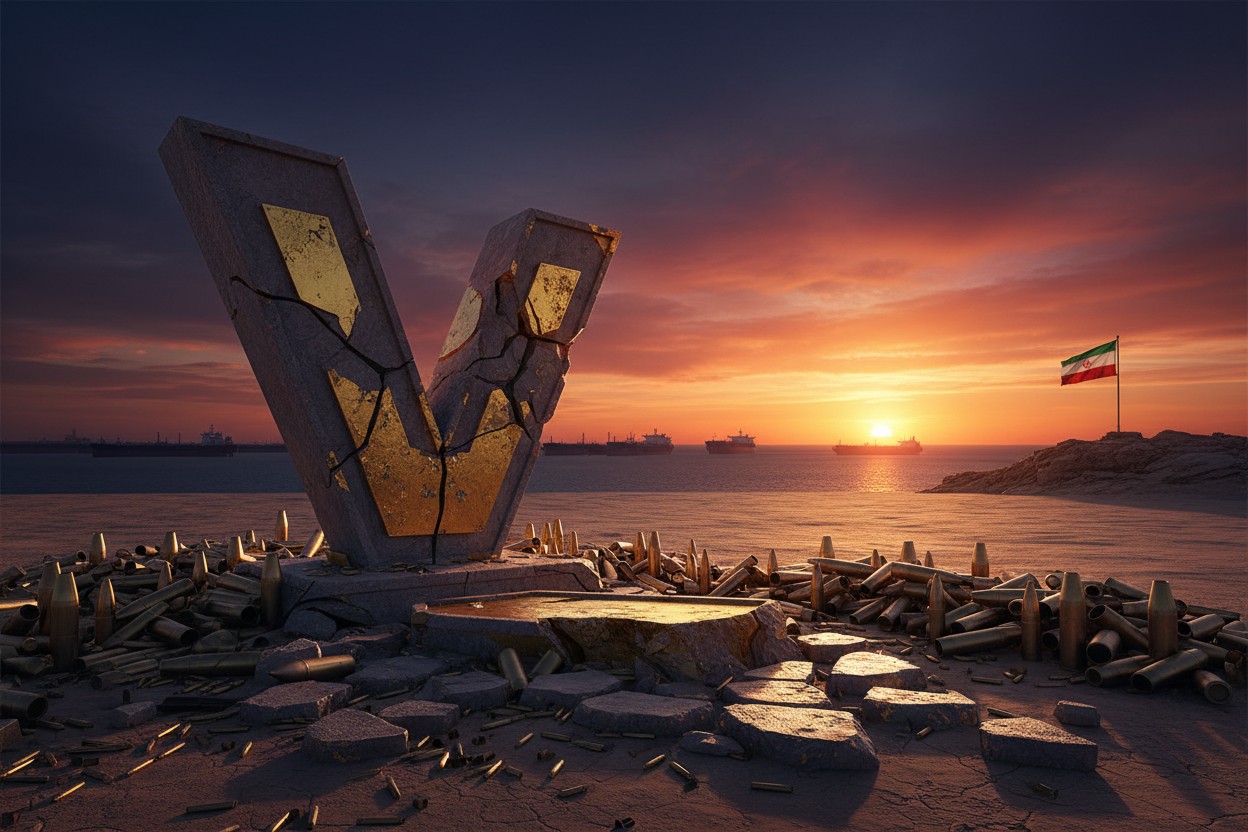
The Houthi attacks on two Saudi oil tankers in the Red Sea on July 22-23 were a direct trigger for Trump’s threat, according to [8]. The Houthis said they targeted the tankers for violating a naval blockade imposed by the group, [8] reported. Trump referred to the Houthis as a “surrogate and/or proxy of Iran” and warned of “major military punishment,” [1] stated.
The U.S. military has launched consecutive nightly strikes against Iran, with CENTCOM reporting 13 straight nights of attacks as of July 24, according to [9]. Trump expressed disappointment that the Houthis resumed operations after being dealt with “very powerfully” a year earlier, [1] said. The U.S. military has a long history of employing drone strikes and precision warfare, as detailed in [10] by Gar Smith. The Houthi action threatens to add pressure on oil exports already affected by the closure of the Strait of Hormuz, [11] reported.
Parallels with Russian Assets
The threat to confiscate Iranian funds mirrors the West’s handling of roughly $300 billion in frozen Russian sovereign assets since 2022, according to [1]. In 2024, the United States passed legislation authorizing seizure of Russian assets for transfer to Ukraine, but has not yet used it, [1] reported. Moscow has denounced the asset freeze as “theft,” [1] stated.
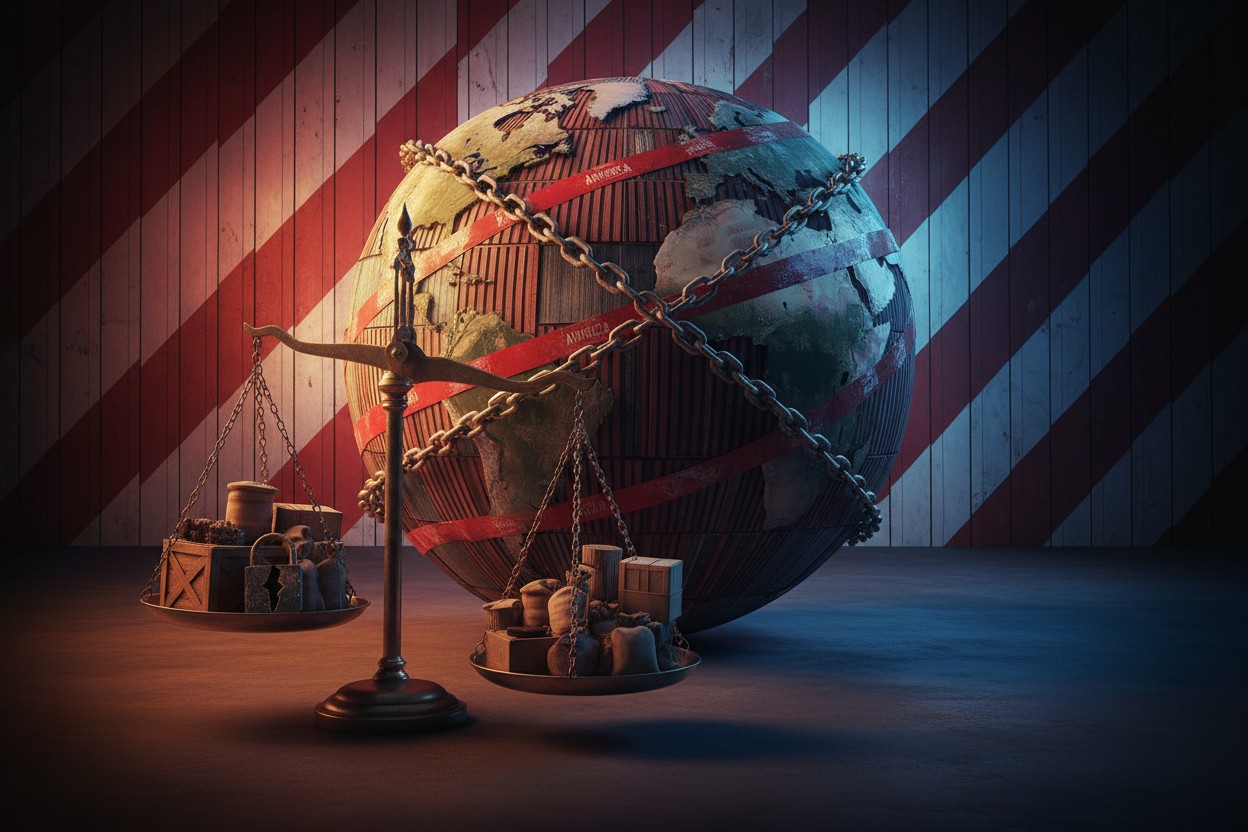
The asset seizure strategy has broader implications for the global financial system. As noted in [12] by Humphrey Hawksley, dialogue between the United States and China reveals tensions over dollar dominance, with China and Russia pushing for alternative currencies. The use of asset freezes as a weapon, as criticized in [13], undermines trust in international norms. Western countries have faced legal hurdles in confiscating Russian assets outright, with the European Union hesitating due to such obstacles, [1] reported.
Conclusion
President Trump’s threat to seize frozen Iranian assets marks a significant escalation in the ongoing U.S.-Iran conflict. The move sets a precedent that could have lasting implications for international finance and state sovereignty, according to analysts cited in [2]. As both sides continue military strikes and diplomatic exchanges, the status of billions in frozen assets remains a central point of contention. The outcome of this standoff could reshape norms surrounding state asset seizure and retaliation.
References
- “Trump threatens to seize Iranian assets.” RT. July 24, 2026.
- “Araghchi warns against using Iranian frozen assets, says it sets ‘incendiary precedent’.” Middle East Eye. July 24, 2026.
- “Iran said to threaten Israel, reject US ceasefire proposal passed along by Iraqi PM.” Times of Israel. July 24, 2026.
- “Iran Warns: No Final Deal If U.S. Threats Persist.” NaturalNews.com. July 9, 2026.
- “Iran FM Blames U.S. ‘Contradictions’ On Stalled Peace Talks As Tehran Slaps Million-Dollar Hormuz Tax On Ships.” ZeroHedge. June 7, 2026.
- “Iran Says US To Unfreeze $12BN, Insists It Alone Will Decide How Funds Used, Contradicting Vance.” ZeroHedge. June 23, 2026.
- “US Authorities Freeze $344M in Crypto Linked to Iran.” NaturalNews.com. April 27, 2026.
- “Yemen’s Houthis hit tankers in Red Sea as US strikes Iran for 12th consecutive night.” Times of Israel. July 23, 2026.
- “US says it will use frozen Iranian assets to fund damage to ships as strikes continue.” BBC. July 24, 2026.
- Gar Smith. “The War and Environment Reader.”
- “Houthi Blockade On Saudi Red Sea Oil Transits Threatens To Widen War, Strangle Energy Supply.” The War Zone. July 20, 2026.
- Humphrey Hawksley. “Man on Ice.”
- “US spreads misery across the globe imposing sanctions on a third of humanity.” NaturalNews.com. January 5, 2023.
Explainer Infographic
Submit a correction >>
Tagged Under:
big government, chaos, department of the treasury, Department of War, Donald Trump, economic sanctions, Iran, military, military strikes, military tech, military technology, national security, seize frozen assets, violence, war on Iran, White House, WWIII
This article may contain statements that reflect the opinion of the author
RECENT NEWS & ARTICLES